
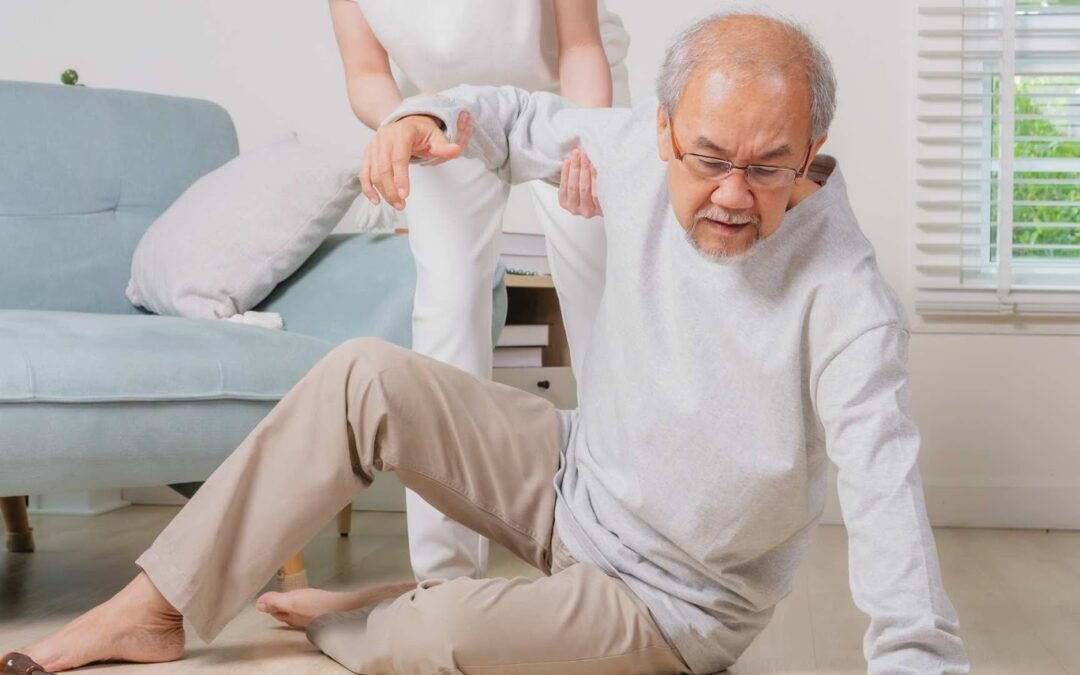
Slip and fall accidents might seem simple on the surface, but in reality, they’re often the result of multiple hidden factors coming together at the wrong time. Whether it happens in a home, workplace, retail store, or public space, a fall is rarely “just an accident.”
In most cases, there’s an underlying cause, something that could have been identified, tested, or prevented.
Understanding these causes is important not only for safety but also for reducing liability, preventing injuries, and maintaining proper flooring conditions.
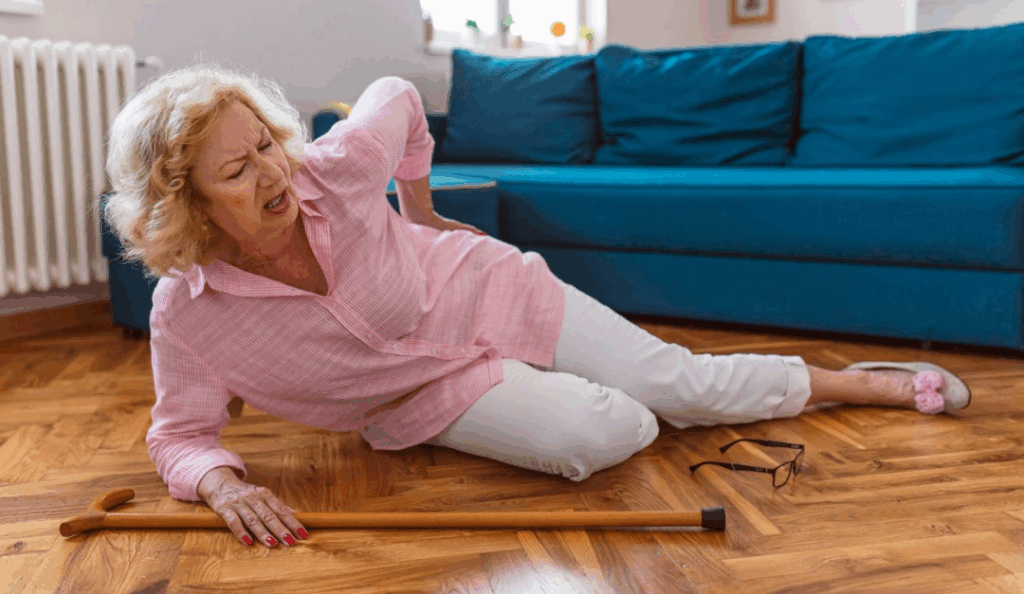
Common Causes of Slip and Fall Accidents on Flooring
1. Low Slip Resistance (The Most Common Cause)
One of the leading causes of slip and fall accidents is insufficient friction between the floor and footwear.
This is typically measured using:
- Coefficient of friction (COF)
- Dynamic coefficient of friction (DCOF)
When flooring materials do not provide enough grip, especially under wet or contaminated conditions, the risk of slipping increases significantly.
Common problem areas:
- Polished tile surfaces
- Glossy finishes
- Worn-out flooring
👉 How Attorneys Use Expert Witness Services for Slip and Fall Accidents
2. Wet or Contaminated Surfaces
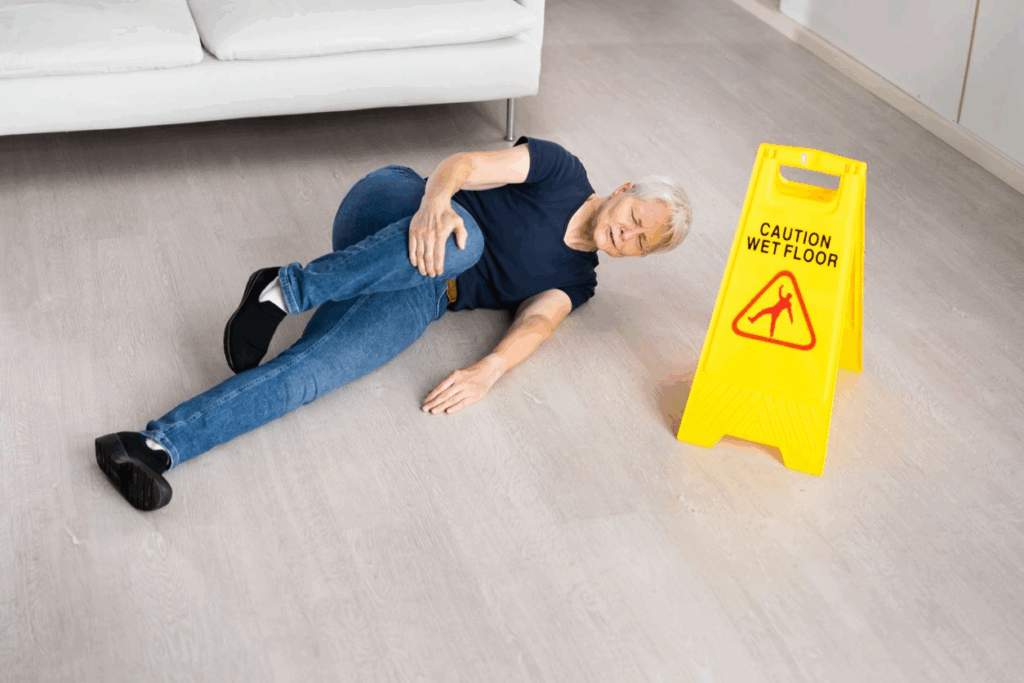
Water and other substances are major contributors to slip accidents.
Common contaminants:
Common contaminants like water from spills or routine cleaning, oil or grease (especially in kitchens), soap residue, and even fine dust can all create hazardous flooring conditions.
It doesn’t take much, sometimes even a small amount of moisture or residue is enough to significantly reduce traction and turn an otherwise safe floor into a slip risk.
High-risk areas:
Some areas naturally face a higher risk of slip and fall accidents because they’re more likely to be exposed to moisture, contaminants, or heavy foot traffic.
Entrances during rainy weather often become hazardous as water is tracked indoors, while bathrooms and kitchens frequently deal with wet surfaces, soap residue, or spills.
Commercial spaces can be especially vulnerable due to constant traffic and varying floor conditions, making these areas important to monitor for slip resistance and safety.
👉 Without proper cleaning and drying procedures, these areas become dangerous quickly.
3. Improper Flooring Material Selection
Not all flooring materials are suitable for every environment.
Using the wrong type of flooring in the wrong place is a major risk factor.
Examples:
- Smooth tile in wet areas
- Glossy stone in entryways
- Slippery finishes in commercial kitchens
Each space has different safety requirements, and ignoring them increases accident risk.
👉 A flooring expert witness is often needed to determine whether the flooring selection met safety standards in these environments.
4. Improper Installation Can Create Hidden Hazards
Sometimes the problem isn’t the material, it’s how it was installed.
Improper installation can create hazards that may not be obvious at first but can lead to serious slip or trip risks over time.
Issues like lippage between tiles, uneven seams, improper slope or drainage, poor transitions between flooring surfaces, and even subfloor movement affecting stability can all compromise safety.
What may seem like a minor installation flaw can alter walking surfaces enough to contribute to accidents, which is why these conditions should never be overlooked.
These defects may seem minor at first, but they often contribute directly to trip and fall incidents.
👉 In disputed cases, a flooring expert witness may be needed to determine whether improper installation contributed to the accident.
5. Uneven Surfaces and Structural Issues
Trips often occur when there are physical irregularities in the flooring.
Common hazards:
- Cracks or gaps
- Loose tiles or boards
- Uneven transitions between surfaces
- Raised edges or thresholds
Even small height differences can cause someone to lose balance.
👉 These issues are often overlooked but are a major cause of trip-and-fall incidents.
6. Loose Mats, Rugs, and Floor Covering Hazards
Sometimes the flooring itself isn’t defective; the issue is what’s placed on top of it.
Loose mats, curled carpet edges, wrinkled rugs, or improperly secured floor coverings can create serious trip hazards.
Common examples include:
- Entrance mats that slide
- Carpet seams lifting
- Area rugs without backing
- Buckled flooring transitions
Even minor movement in a floor covering can catch a foot unexpectedly.
This is one reason flooring expert witness services often include inspection of both the flooring system and surface coverings, not just the floor material itself.
👉 Common Carpet Problems Identified by Certified Inspectors
7. Worn or Damaged Flooring Surfaces
Flooring naturally wears over time, and that wear can create safety risks.
Common wear-related hazards include:
- Smooth traffic-worn surfaces
- Broken tile edges
- Delaminating flooring
- Surface deterioration
- Damaged finishes reduce traction
As floors age, slip resistance may change significantly, even if the floor originally met safety standards.
👉 This is why regular inspection and slip testing are so important for long-term safety.
8. Poor Maintenance and Cleaning Practices
Maintenance plays a critical role in floor safety.
Common issues include residue left behind from cleaning products, dirty or worn floor surfaces that reduce traction, and a lack of regular inspections that allow small problems to go unnoticed.
Over time, these conditions can significantly increase slip risks if they aren’t addressed properly.
For example:
- Using the wrong cleaning solution
- Not rinsing properly
- Allowing buildup over time
👉 A clean floor isn’t always a safe floor; maintenance must be done correctly.
9. Lack of Slip Testing and Safety Evaluation
One of the biggest overlooked issues is not testing the floor at all.
Slip resistance should be measured using professional methods such as:
- DCOF testing
- Coefficient of friction testing
- On-site slip testing
Without testing:
- Risks go unnoticed
- Problems remain hidden
- Liability increases
👉 Many accidents could be prevented with proper floor safety evaluation.
When Slip and Fall Cases Require Expert Evaluation
If you’re dealing with a complex situation, it’s always a smart step to consult Floorcovering Solutions Inc. for expert witness services and guidance.
We help evaluate technical flooring issues, accident causation, and liability concerns that often arise in slip-and-fall litigation.
To learn more about how these services support legal cases, explore our guide on the duties of a slip and fall expert witness for additional insight.