
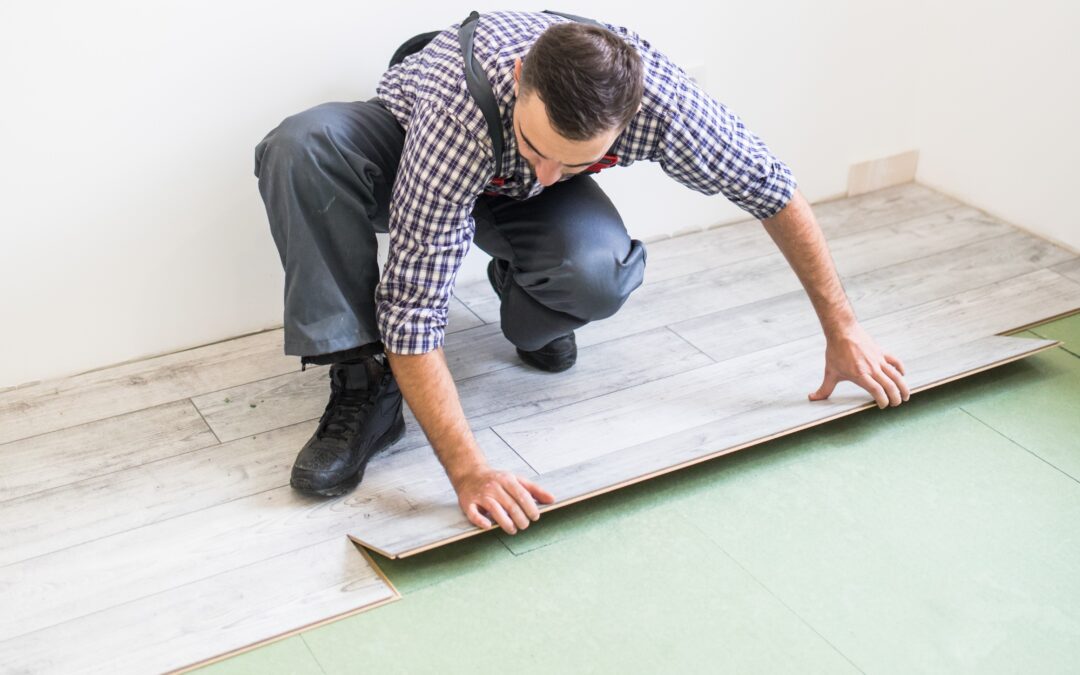
Laminate flooring is one of the most popular choices for modern homes and for good reason. It looks stylish, is budget-friendly, and is relatively easy to install. But here’s the catch: even a small installation mistake can ruin the entire look and performance of your floor.
If you’re planning to install laminate flooring yourself or hire someone, knowing these common mistakes can save you time, money, and frustration. Let’s break it down in simple, easy language so you can get it right the first time.

12 Common Laminate Flooring Installation Mistakes to Avoid
1. Skipping Proper Subfloor Preparation
One of the biggest and most common mistakes is neglecting the condition of the subfloor. Many assume laminate can be installed over any surface without much preparation, which is far from true.
Why This Is a Problem
Laminate flooring requires a clean, dry, and level subfloor. If the surface underneath is uneven, dirty, or damp, it will directly affect how the laminate planks sit and perform.
Consequences
- Uneven or bouncy flooring
- Gaps forming between planks
- Premature wear and tear
- Squeaking noises when walking
How to Avoid It
Before installation:
- Clean the subfloor thoroughly to remove dust and debris
- Check for moisture, especially on concrete surfaces
- Use a leveling compound to fix uneven areas
- Repair cracks or damage
Skipping this step might save time initially, but it often leads to expensive corrections later.
💡 Floor Inspector Insight:
A professional floor inspector can quickly identify hidden issues like moisture imbalance or uneven surfaces before installation begins. This step alone can prevent major problems later.
2. Ignoring Acclimatization of Laminate Planks
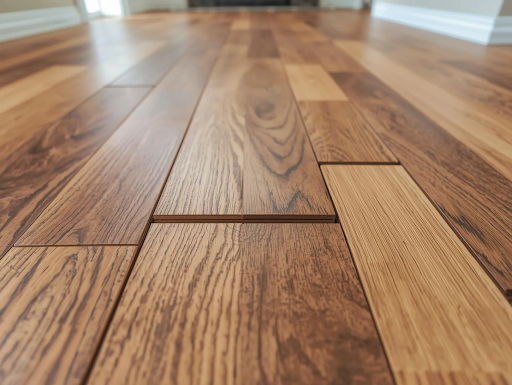
Laminate flooring naturally reacts to shifts in temperature and humidity by expanding and shrinking.
Many installers overlook the importance of acclimatizing the planks before installation.
Why This Is a Problem
If planks are installed immediately after being brought into a new environment, they may expand or shrink after installation.
Consequences
- Buckling or warping
- Gaps between planks
- Uneven alignment
How to Avoid It
Let the laminate flooring sit in the installation area for at least 48 hours. Keep the room at normal living conditions during this time. This allows the material to adjust to the environment before installation begins.
Related Articles:
- Signs of Subfloor Damage Every Homeowner Should Know
- Hardwood Floor Inspection Checklist for Homeowners
- Common Carpet Problems Identified by Certified Inspectors
3. Not Leaving Expansion Gaps
Laminate flooring is a “floating floor,” meaning it is not nailed or glued down. It needs space to expand and contract naturally.
Why This Is a Problem
Without expansion gaps, the flooring has no room to move when environmental conditions change.
Consequences
- Buckling in the middle of the room
- Warped edges
- Pressure against walls or furniture
How to Avoid It
Always leave a gap (usually around 8–12 mm) between the flooring and walls, door frames, or fixed structures. This gap is later covered with baseboards or trim.
4. Installing Over an Uneven Surface
Even a slight unevenness in the subfloor can lead to major issues.
Why This Is a Problem
Laminate planks need a flat surface to lock properly. Uneven surfaces create stress points.
Consequences
- Weak locking joints
- Cracking or breaking planks
- Annoying clicking sounds when walking
How to Avoid It
Use a straightedge to check the subfloor’s level. Any variation beyond recommended limits (typically 3 mm over 1 meter) should be corrected before installation.
5. Incorrect Use of Underlayment
Underlayment acts as a cushion, moisture barrier, and sound absorber. Choosing the wrong type, or skipping it entirely, is a common mistake.
Why This Is a Problem
Not all laminate flooring comes with pre-attached underlayment. Using the wrong one can affect stability and durability.
Consequences
- Moisture damage
- Increased noise
- Reduced comfort underfoot
How to Avoid It
- Check manufacturer recommendations
- Use moisture barriers for concrete subfloors
- Avoid doubling underlayment layers unless specified
Proper underlayment significantly improves the overall performance of laminate flooring.
6. Poor Planning of Layout
Many installers jump straight into installation without planning the layout of planks.
Why This Is a Problem
Without planning, you may end up with awkward cuts, uneven plank sizes, or poor visual alignment.
Consequences
- Unattractive appearance
- Weak structural integrity
- Wasted materials
How to Avoid It
- Measure the room carefully
- Plan the direction of planks (usually parallel to the longest wall or light source)
- Ensure the first and last rows are balanced in width
A well-planned layout enhances both durability and aesthetics.
7. Incorrect Locking of Planks
Laminate planks use a click-lock system. Improper locking can weaken the entire floor.
Why This Is a Problem
If planks are not properly aligned and clicked into place, the joints remain loose.
Consequences
- Gaps between planks
- Reduced stability
- Water seeping into joints
How to Avoid It
- Follow the manufacturer’s instructions carefully
- Use tapping blocks and rubber mallets when needed
- Ensure each plank is fully locked before moving on
Proper locking ensures a seamless and durable surface.
8. Cutting Corners Around Door Frames
Door frames and corners require precise cutting, but many people rush this step.
Why This Is a Problem
Improper cuts leave visible gaps and weaken the structure.
Consequences
- Poor finish
- Exposed edges
- Increased risk of damage
How to Avoid It
- Undercut door frames so planks slide underneath
- Use proper tools for precise cuts
- Measure carefully before cutting
Attention to detail in these areas makes a big difference in the final appearance.
9. Using the Wrong Tools
Some installers try to complete the job with basic or incorrect tools.
Why This Is a Problem
Laminate flooring requires specific tools for accurate cutting and installation.
Consequences
- Damaged planks
- Rough edges
- Poor fitting
How to Avoid It
Use appropriate tools such as:
- Laminate cutter or fine-tooth saw
- Spacers for expansion gaps
- Tapping block and pull bar
The right tools make the process smoother and more precise.
10. Failing to Consider Moisture Levels
Moisture is one of the biggest enemies of laminate flooring.
Why This Is a Problem
Laminate is not fully waterproof, and excess moisture can cause swelling.
Consequences
- Warping
- Mold growth
- Structural damage
How to Avoid It
- Test moisture levels before installation
- Use vapor barriers where necessary
- Avoid installing laminate in high-moisture areas like bathrooms unless specified.
Moisture control is critical for long-term performance.
11. Installing Without Staggering Joints Properly
The arrangement of planks plays a key role in structural strength.
Why This Is a Problem
If joints are aligned too closely, the floor becomes weak.
Consequences
- Reduced durability
- Increased risk of separation
- Unnatural appearance
How to Avoid It
Ensure joints are staggered by at least 6–12 inches. This distributes stress evenly and improves visual appeal.
12. Rushing the Installation Process
Many DIY installers try to finish quickly, leading to avoidable mistakes.
Why This Is a Problem
Laminate flooring installation requires patience and precision.
Consequences
- Misaligned planks
- Poor finishing
- Frequent repairs
How to Avoid It
Take your time with each step:
- Double-check measurements
- Ensure proper alignment
- Inspect each row before proceeding
A slower, careful approach results in a much better outcome.
Need Professional Assistance? Book a Laminate Flooring Consultation
A trained professional flooring consultant can identify underlying causes that are not always visible, such as subfloor irregularities, improper expansion spacing, or hidden moisture intrusion. Getting an expert evaluation early can save you from more extensive repairs and protect the overall lifespan of your flooring.
For homeowners, builders, or property managers handling complex flooring challenges, working with an expert flooring inspector offers long-term benefits. From diagnosing recurring issues to advising on best practices, expert support helps you avoid costly mistakes and ensures your laminate flooring performs as expected for years to come.
How We Help You Avoid These Mistakes
Choosing Floorcovering Solutions means you don’t have to worry about common installation errors. We handle everything with precision and care:
- ✔ Pre-installation checks (just like a floor inspector)
- ✔ Expert installation team
- ✔ High-quality materials
- ✔ Clean and professional finish
Our goal is simple: to give you flooring that looks great and performs perfectly for years.
Laminate flooring can completely transform your space but only if it’s installed correctly.
Most issues don’t come from the flooring itself, they come from avoidable installation mistakes.And if you want complete peace of mind, working with professionals like Floorcovering Solutions, along with proper inspection practices, can save you time, money, and stress