
Flooring is designed to last for years, sometimes decades. So when a floor begins to fail within months of installation, it raises serious concerns. Buckling, gaps, cracking, noise, or uneven surfaces are not just cosmetic issues; they are often signs of deeper problems within the flooring system.
This is where Floor Inspectors play a critical role.
Unlike contractors or installers, Floor Inspectors are trained to go beyond surface-level symptoms. Their job is not just to identify what went wrong, but to determine why it happened, who may be responsible, and how it can be corrected.
What Is Premature Flooring Failure?
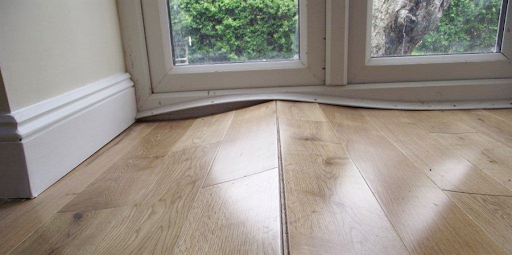
Premature flooring failure occurs when a floor begins to deteriorate or malfunction much earlier than expected. This can happen in both residential and commercial properties and often leads to costly repairs or disputes.
Common signs include:
- Buckling or warping
- Gaps between planks
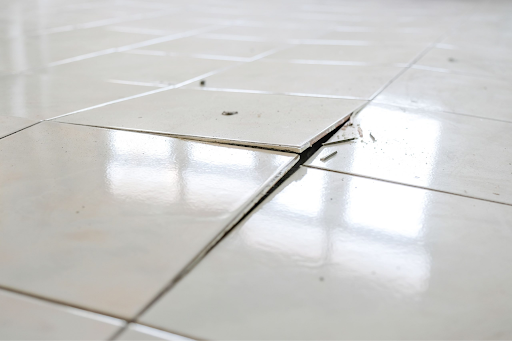
- Cracking or splitting
- Adhesive failure
- Uneven or soft spots
- Squeaking or movement
While these issues may appear simple, they are usually symptoms of underlying problems that require professional evaluation.
Floor Inspectors are trained to analyze these symptoms and trace them back to their root cause using a structured and scientific approach.
Role of Floor Inspectors in Failure Analysis
Professional Floor Inspectors act as independent, third-party experts. Their findings are unbiased and based on measurable data rather than assumptions.
Their responsibilities include:
- Evaluating installation quality
- Testing moisture and environmental conditions
- Assessing subfloor integrity
- Verifying compliance with manufacturer guidelines
- Identifying material or product defects
- Producing detailed inspection reports
Unlike general home inspections, flooring inspections are highly specialized and involve technical analysis, testing, and documentation.
This is why professional inspection reports are so valuable-they provide clear, evidence-based findings that can be relied on in a variety of situations.
Whether it’s supporting a warranty claim, resolving an insurance dispute, addressing construction defect cases, or being used in legal proceedings, these reports offer the documentation and credibility needed to back up a claim with confidence.
Step-by-Step: How Floor Inspectors Identify Failure
1. Reviewing Documentation and Installation Standards
The process begins before stepping on the floor.
Floor Inspectors begin their evaluation by carefully reviewing all relevant documentation related to the project. This includes installation guidelines provided by manufacturers, contracts and work orders, warranty requirements, and the site conditions at the time of installation.
By analyzing these details, they establish a clear baseline of what should have been done, allowing them to compare it with the actual installation and identify any deviations that may have contributed to the flooring failure.
This step establishes a baseline-what should have been done versus what actually happened.
2. On-Site Visual Inspection
Next comes a detailed on-site evaluation.
Floor Inspectors conduct a detailed visual assessment of the flooring to identify any visible signs of failure. This includes examining damage patterns, checking alignment and spacing, and noting any surface irregularities.
They also look for signs of wear or stress that may indicate underlying issues. Each of these observations helps build a clearer picture of what may be causing the problem and guides the next steps in the inspection process.
Each defect tells a story. For example:
- Cupping often indicates a moisture imbalance
- Gaps may suggest improper acclimation
- Buckling can point to missing expansion gaps
However, visual inspection alone is not enough-it must be supported by testing.
3. Moisture and Environmental Testing
One of the most critical steps in identifying premature flooring failure is moisture testing.
Floor Inspectors measure:
- Subfloor moisture levels
- Ambient humidity
- Temperature conditions
Moisture is one of the leading causes of flooring failure. Even slight imbalances can cause expansion, contraction, or adhesive breakdown.
Professional inspectors use tools like:
- Moisture meters
- Hygrometers
- In-situ probes
These tests provide objective data that supports their conclusions.
4. Subfloor and Structural Assessment
A floor is only as strong as what lies beneath it.
Floor Inspectors also assess the condition of the subfloor, as it plays a critical role in the overall performance of the flooring system.
They evaluate factors such as flatness and levelness, overall structural integrity, and the type of material used, whether it’s concrete, plywood, or another base.
They review how well the subfloor was prepared before installation, since improper preparation can lead to long-term issues like uneven surfaces, movement, or premature failure.
Improper subfloor preparation is one of the most common causes of premature failure. Uneven surfaces, contamination, or moisture issues can compromise the entire flooring system.
5. Installation Method Verification
Floor Inspectors analyze whether the installation method was done correctly.
They check:
- Adhesive application (for glue-down floors)
- Fastening patterns (for nail-down systems)
- Locking mechanisms (for floating floors)
- Expansion gaps and spacing
Even small installation errors can lead to major failures over time. Inspectors compare what was done against manufacturer specifications to determine if the installation meets required standards.
6. Material and Product Evaluation
Not all failures are caused by installation.
Floor Inspectors also evaluate the materials themselves to determine whether the issue stems from the product rather than the installation.
This includes checking for potential manufacturing defects, assessing the overall quality of the materials, and ensuring the product is suitable for the specific environment in which it was installed.
In some cases, even a properly installed floor can fail if the material is not designed to handle factors like moisture, temperature changes, or heavy use.
Although less common, defective materials can lead to issues such as delamination, surface wear, or structural weakness.
7. Identifying the Root Cause
The most important part of the process is determining the root cause.
Floor Inspectors do not stop at identifying symptoms-they connect all findings to answer key questions:
- Was the failure caused by an installation error?
- Is moisture the primary issue?
- Did the subfloor contribute to the problem?
- Is the material defective?
Their goal is to provide a clear, evidence-based explanation of why the floor failed, not just how it looks.
8. Creating a Detailed Inspection Report
The final step is compiling a professional report.
A flooring inspection report includes:
- Inspector credentials and scope
- Floor system description
- Observed defects and conditions
- Test results (moisture, environment, etc.)
- Root cause analysis
- Recommendations for repair or replacement
These reports are highly detailed and often used as legal or insurance documentation, making accuracy and clarity essential.
Floorcovering Solutions Inc. provides reports that are not only technically sound but also defensible in disputes and claims.
Why Hiring Professional Floor Inspectors Matters
Many homeowners rely on general home inspectors, but flooring issues require specialized expertise.
Floor Inspectors:
- Use advanced tools and testing methods
- Understand complex flooring systems
- Provide unbiased, third-party analysis
- Deliver reports that hold up in disputes
Without a professional inspection, it’s easy to misdiagnose the problem, leading to unnecessary repairs or unresolved issues.
Working with experts like Floorcovering Solutions Inc. ensures that the true cause of failure is identified accurately and efficiently.
Also Learn – How Much Does a Floor Inspection Cost
When Should You Call a Floor Inspector?
You should consider hiring Floor Inspectors when:
- Your new floor fails within months
- You notice buckling, gaps, or noise
- There is a dispute with a contractor or builder
- An insurance or warranty claim is denied
- You need expert documentation for legal purposes
Early inspection can prevent minor issues from becoming major expenses.
Final Thoughts
Premature flooring failure is rarely random-it is almost always the result of underlying issues that require professional analysis.
Floor Inspectors play a crucial role in uncovering these hidden problems. Through a combination of visual inspection, technical testing, and industry expertise, they provide clear, evidence-based answers that help property owners make informed decisions.
Whether you’re dealing with a failing floor, a construction dispute, or an insurance claim, working with experienced professionals like Floorcovering Solutions Inc. ensures you get accurate insights, reliable documentation, and the confidence to move forward with the right solution.