
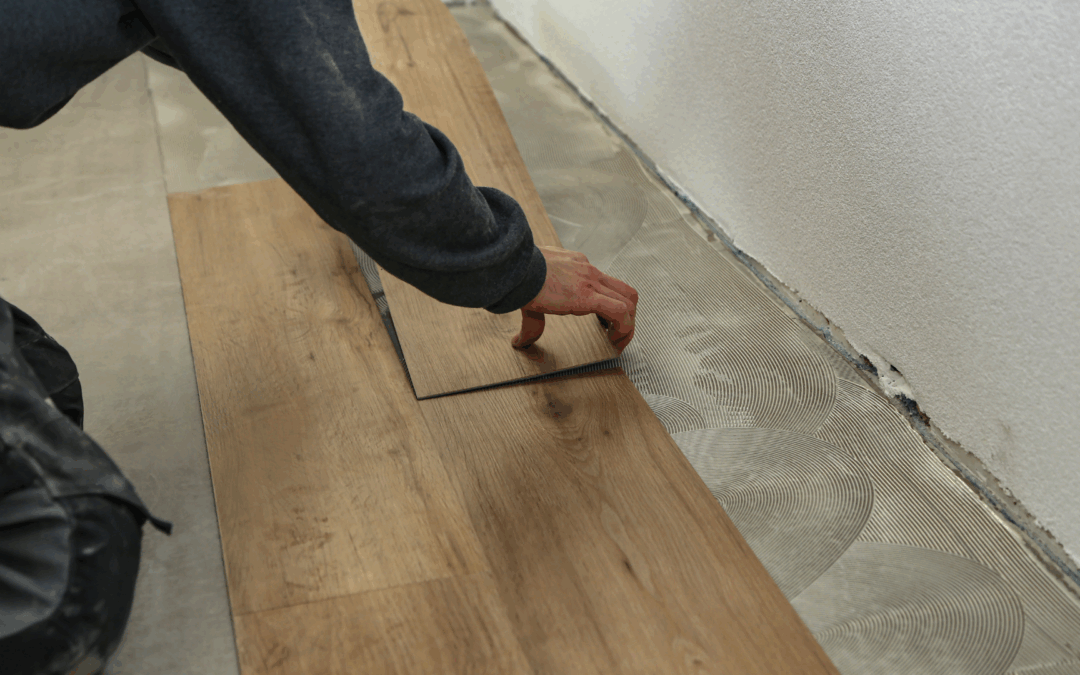
A brand-new floor should make a space look beautiful, strong, and long-lasting. But sometimes, only weeks after installation, problems start appearing. Boards begin separating, edges lift, floors buckle, or strange cracks show up. In many cases, the flooring material itself is not the problem, improper acclimation is.
Acclimation is one of the most important steps in flooring installation, yet it is also one of the most overlooked. Rushing the process can lead to serious flooring failures that cost homeowners and businesses time, money, and frustration.
At Floorcovering Solutions Inc., we understand how critical proper acclimation is for a successful flooring installation. Professional floor covering inspectors can help identify whether acclimation issues caused flooring damage and provide expert guidance for resolving these problems.
What Is Flooring Acclimation?
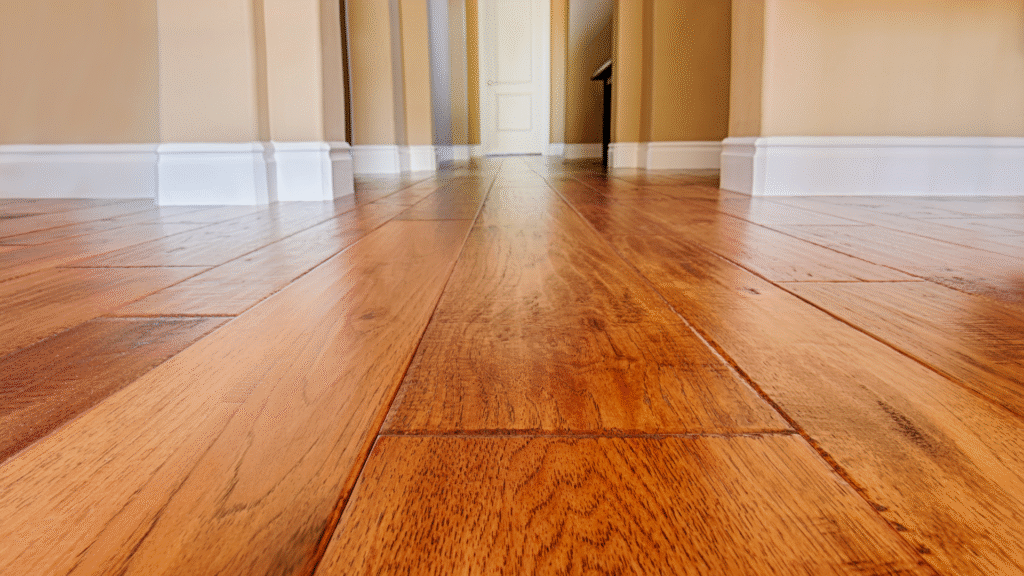
Acclimation is the process of allowing flooring materials to adjust to the temperature and humidity conditions of the space where they will be installed.
Many flooring materials, especially wood and wood-based products, are hygroscopic, meaning they naturally absorb and release moisture depending on their environment. When flooring is delivered, it has been stored under conditions that are often very different from the job site.
If installed without proper acclimation, the material will continue to adjust after installation, causing movement that can compromise both appearance and structural integrity, which is one of the key reasons your new floor may fail.
Why Acclimation is Essential
Indoor environments constantly change throughout the year. Humidity levels rise during warmer months and drop during colder seasons. Flooring materials respond to these changes naturally.
If flooring is installed before properly acclimating, the material may continue expanding or shrinking after installation. This movement creates stress on the floor and often leads to visible damage.
Proper acclimation helps:
- Reduce expansion and contraction
- Prevent flooring gaps
- Avoid buckling and warping
- Improve flooring stability
- Protect the flooring’s appearance
- Extend the floor’s lifespan
- Support manufacturer warranty requirements
Skipping acclimation may save a little time during installation, but it can create costly repairs later.
What Happens When You Skip Proper Acclimation?
Skipping acclimation causes flooring to react unpredictably to environmental changes after installation, leading to movement, visible damage, structural issues, and long-term performance problems that are often costly to repair.
Buckling and Warping
When flooring absorbs excess moisture after installation, it expands. Without adequate room to grow, the planks can lift off the subfloor, resulting in buckling or warping, an issue commonly seen in hardwood, laminate, and vinyl plank floors. These problems not only create visible defects but can also pose serious safety hazards over time.
Gapping and Shrinkage
In dry conditions, improperly acclimated flooring may lose moisture and shrink. This leads to visible gaps between planks, which collect dirt and diminish the floor’s appearance.
Cupping and Crowning
- Cupping: Edges of the plank rise higher than the center due to excess moisture beneath or imbalance.
- Crowning: The center rises higher than the edges, often after excessive moisture exposure followed by rapid drying.
Both conditions are difficult to correct and may require sanding or full replacement.
Adhesive Failure
For glued-down flooring, improper acclimation can cause dimensional movement that exceeds the adhesive’s tolerance. This may result in:
- Bond failure
- Hollow spots
- Plank shifting or lifting
What should be a stable installation becomes a long-term maintenance issue.
Shortened Lifespan of Your Floor
Even if problems aren’t immediately visible, improper acclimation places constant stress on the material, leading to:
- Accelerated wear and tear
- Structural instability
- Earlier-than-expected replacement
In short, you pay more and get less.
Pro tip: From gaps to warping, hardwood flooring issues need expert review. Reach out to Floorcovering Solutions Inc. for a professional inspection.
How Professional Floor Covering Inspectors Help
When flooring fails, determining the exact cause can be difficult. Homeowners may blame the product, while installers may point to environmental conditions.
This is where professional floor covering inspectors become extremely important.
Henri Carr, an experienced floor covering inspector will help you identify the root cause of flooring problems, including issues related to improper acclimation.
Professional inspectors can:
- Evaluate moisture conditions
- Inspect flooring installation methods
- Check environmental conditions
- Determine whether acclimation procedures were followed
- Document flooring failures
- Provide detailed inspection reports
- Assist with warranty claims and disputes
His expertise helps homeowners, contractors, property managers, and manufacturers understand exactly what caused the flooring failure.
Factors That Influence Acclimation
Acclimation of flooring materials depends on environmental conditions, storage practices, and material type. A proper balance of temperature, humidity, and time ensures stability and prevents future installation problems and damage issues.
1. Temperature: Flooring should be acclimated in a controlled environment, typically between 18°C and 27°C (65°F to 80°F). Extreme temperatures can disrupt the process.
2. Humidity: Relative humidity (RH) plays a critical role. Most indoor environments should maintain 30% to 50% RH, depending on the flooring type.
3. HVAC Conditions: The HVAC system should be fully operational for at least 5–7 days before delivery and remain on during acclimation and installation. This ensures stable, real-world conditions.
4. Subfloor Conditions: The subfloor must be tested before installation:
- Wood subfloors: checked with a moisture meter
- Concrete subfloors: tested using relative humidity methods (such as ASTM F2170)
Installing over a damp subfloor can completely negate proper acclimation.
5. Material Type: Different materials acclimate at different rates, but time alone is not the deciding factor:
- Solid hardwood: may require several days to over a week
- Engineered wood: typically stabilizes faster
- Laminate and vinyl: usually shorter acclimation periods
Acclimation is complete only when the material reaches equilibrium moisture content (EMC) with the environment, not after a fixed number of days.
Related Articles:
What’s Included in a Flooring Inspection Report?
Common Installation Mistakes in Laminate Flooring
Why Builders and Contractors Trust Independent Inspectors
How to Properly Acclimate Flooring
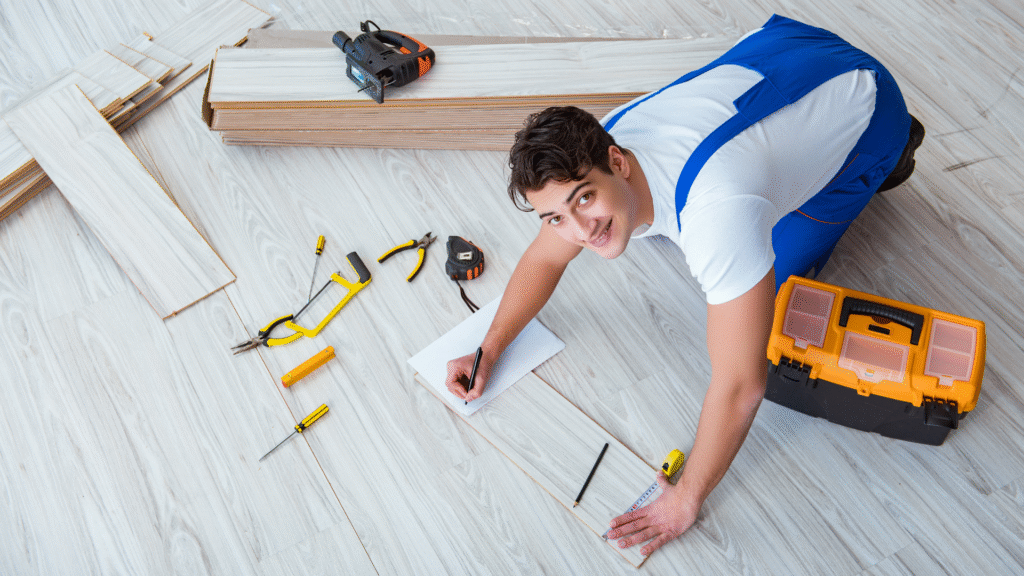
Proper acclimation is not complicated, but it must be done correctly:
- Store flooring in the installation area (not in garages or outdoors)
- Follow manufacturer guidelines for packaging (some materials should remain boxed, others opened)
- Maintain consistent temperature and humidity conditions
- Ensure HVAC systems are running continuously
- Stack materials to allow air circulation
- Use a moisture meter to verify moisture levels
- Confirm subfloor moisture is within acceptable limits
Rushing this process undermines the entire installation.
Note: Even though carpet doesn’t require wood-style acclimation, installation issues can still occur, and Carpet Flooring Inspection Services are designed to diagnose them.
Looking for Flooring Acclimation and Failure Analysis Experts?
Floorcovering Solutions Inc., led by flooring expert Henri Carr with 49+ years of experience, reinforces the importance of proper flooring acclimation. Many flooring failures, such as buckling, gapping, cupping, and adhesive breakdown, can be traced directly to improper acclimation and moisture imbalance.
We provide flooring inspection, consultation, and expert witness services across Canada and the USA, helping identify whether acclimation procedures, subfloor conditions, or installation practices contributed to flooring failure. Through accurate, evidence-based evaluation, we support builders, installers, and property owners in preventing avoidable flooring damage and ensuring long-term performance.
Contact Floorcovering Solutions Inc. today to schedule a professional flooring inspection or expert consultation.