
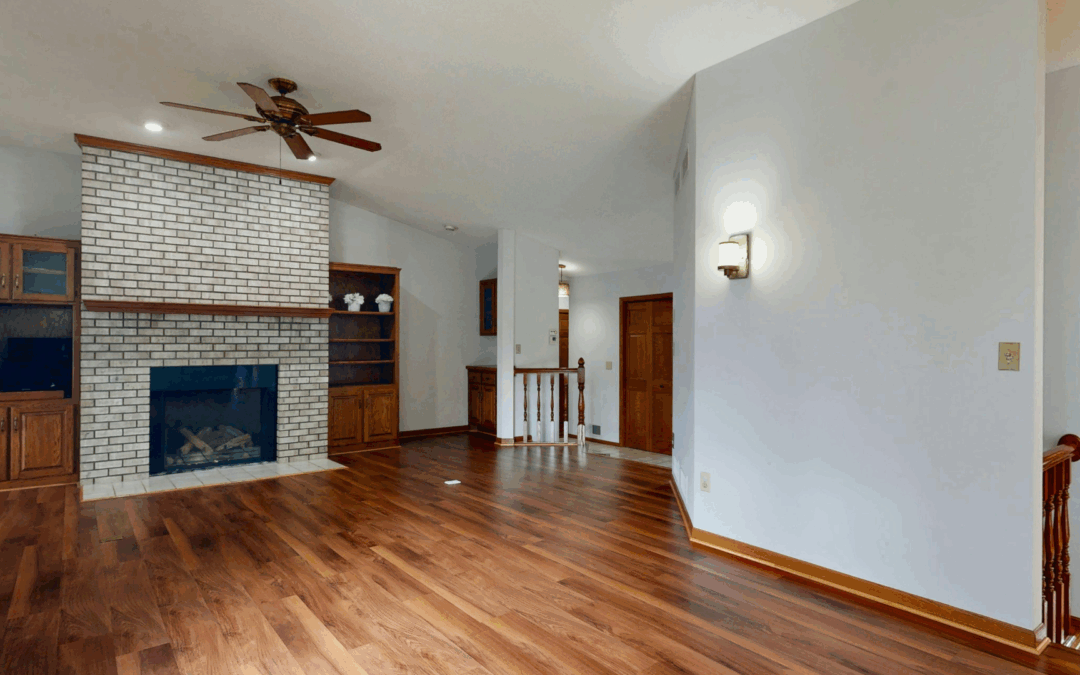
Have you ever noticed tiny gaps in your hardwood floor during winter or slight swelling in the rainy season? It’s not your imagination, it’s your flooring reacting to the weather. Hardwood floors are beautiful and long-lasting, but they are also natural, which means they respond to changes in temperature and humidity throughout the year.
That’s why many homeowners today rely on a hardwood flooring inspection service to catch these seasonal changes early. A professional inspection helps identify small issues, like moisture buildup, warping, or cracks, before they turn into costly repairs. It’s a simple step that can keep your floors looking stunning in every season.
Let’s get to know how each season affects hardwood flooring and what you can do to protect it.
Why Hardwood Flooring Expands and Contracts Seasonally
Wood is hygroscopic, which means it naturally absorbs and releases moisture from the air. As indoor humidity levels change, the moisture content inside the wood changes as well.
- High humidity (summer, rainy seasons) → Wood absorbs moisture → Expands
- Low humidity (winter, dry seasons) → Wood loses moisture → Contracts
While this movement is completely natural, excessive expansion or contraction can lead to visible and sometimes permanent damage.
Effects of Seasonal Changes on Hardwood Flooring
Seasonal shifts influence indoor conditions that affect hardwood flooring performance. Recognizing early signs and understanding these patterns helps maintain durability, improve long-term stability, and support better care decisions throughout the year.
1. What Happens to Wood Floors in Winter
Winter is often the toughest season for hardwood flooring, especially in homes where heating systems run constantly.
Common winter issues include:
- Gaps in hardwood floor boards: As indoor air dries out, wood shrinks, creating visible spaces between planks. Small gaps are normal, but larger or persistent gaps may indicate deeper issues.
- Cracking or splitting: Extremely dry conditions can make wood fibers brittle, leading to cracks in the boards.
- Squeaky floors: As boards contract, they may loosen slightly, causing movement and noise when walked on.
How to manage winter effects:
- Maintain indoor humidity between 35% and 55% using a humidifier
- Avoid overheating your home
- Keep humidity levels consistent across all rooms
2. Why Hardwood Floors Swell in Summer
In contrast, summer introduces excess moisture into the air, especially in humid climates.
Common summer issues include:
- Expansion and crowning: As wood absorbs moisture, it expands. When this happens unevenly, the center of the boards may rise higher than the edges.
- Buckling: Severe moisture conditions can cause hardwood floor buckling, where planks lift away from the subfloor due to excessive expansion stress.
- Raised edges or uneven feel: Floors may feel slightly swollen or irregular underfoot.
How to manage summer effects:
- Use air conditioning or a dehumidifier to control moisture
- Ensure proper ventilation in kitchens, basements, and other high-moisture areas
- Address spills or moisture sources quickly
3. How Spring and Fall Affect Hardwood Stability
These seasons act as a bridge between extremes. While they’re generally less harsh, they can still cause gradual movement in your flooring.
What to Expect
- Minor expansion or contraction adjustments
- Slight changes in gaps or tightness
- Stabilization if humidity remains balanced
These are usually not problematic unless your floor was already under stress from previous seasons.
You May Also Like:
What’s Included in a Flooring Inspection Report?
When Should You Hire a Flooring Consultant?
How Much Does a Floor Inspection Cost?
Factors That Influence Seasonal Changes in Hardwood Flooring
Important aspects like climate control, installation methods, material characteristics, and base preparation influence overall flooring behavior. Reviewing these factors helps in understanding performance patterns and supports better long-term flooring decisions.
Indoor Humidity Levels
The ideal indoor humidity range for hardwood flooring is typically between 30% and 50%. When levels fall outside this range, the risk of expansion, contraction, and damage increases.
Installation Quality
Proper installation plays a major role in how well your floor handles seasonal movement.
- Acclimation: Wood flooring must adjust to the room’s environment before installation. Skipping this step often leads to problems later.
- Expansion gaps: Space should always be left around the edges of the room to allow natural movement. Without it, floors can buckle under pressure.
Wood Species
Different wood species respond differently to moisture changes.
- Oak is generally more stable
- Maple tends to be more sensitive to humidity fluctuations
Subfloor Conditions
Moisture coming from the subfloor can intensify seasonal problems, especially if proper moisture barriers are not in place.
Learn: Signs of Subfloor Damage Every Homeowner Should Know
Normal vs. Concerning Seasonal Changes
Not every change you see is a problem. In fact, some movement is expected.
Normal changes:
- Small gaps in winter that close during warmer months
- Minor expansion during humid periods
- Light creaking or slight movement
Concerning signs:
- Large gaps that do not close over time
- Severe cupping, crowning, or buckling
- Loose boards or ongoing signs of moisture damage
Quick tip: If the issue changes with the seasons, it’s usually normal. If it stays the same or gets worse, it’s worth investigating further.
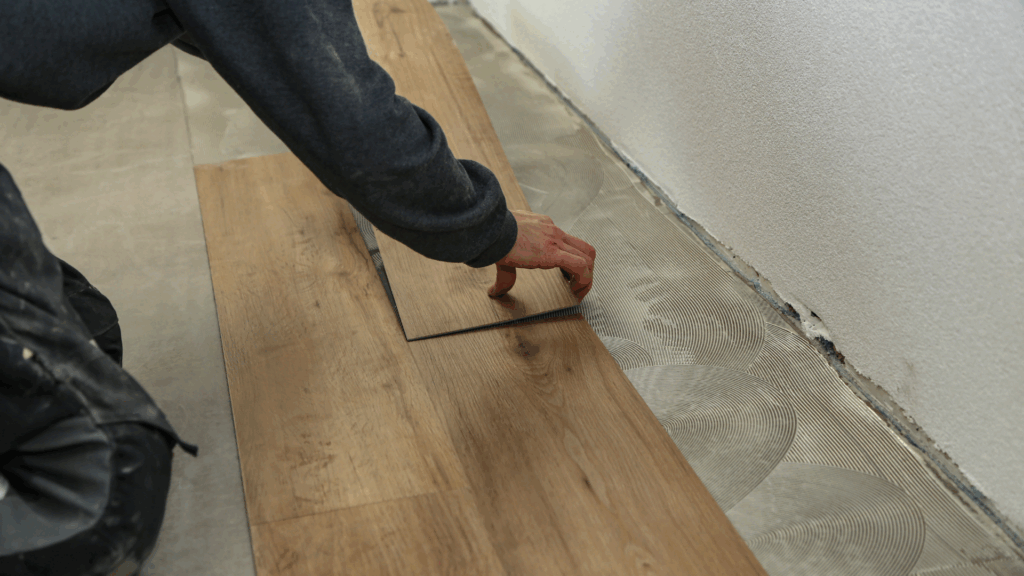
Get Expert Guidance for Hardwood Flooring Issues
When hardwood flooring problems go beyond normal seasonal changes, accurate answers matter.
Floorcovering Solutions Inc., led by certified hardwood flooring inspector Henri Carr, provides independent inspection and consultation services to identify the real cause of flooring issues, whether related to moisture imbalance, installation errors, or material defects.
Consultation support is also available for homeowners building or renovating, helping select the right flooring based on climate, humidity, and subfloor conditions to prevent future issues. Whether addressing current concerns or planning, expert insight can save time, money, and stress. Contact today to schedule a professional consultation you can trust.