
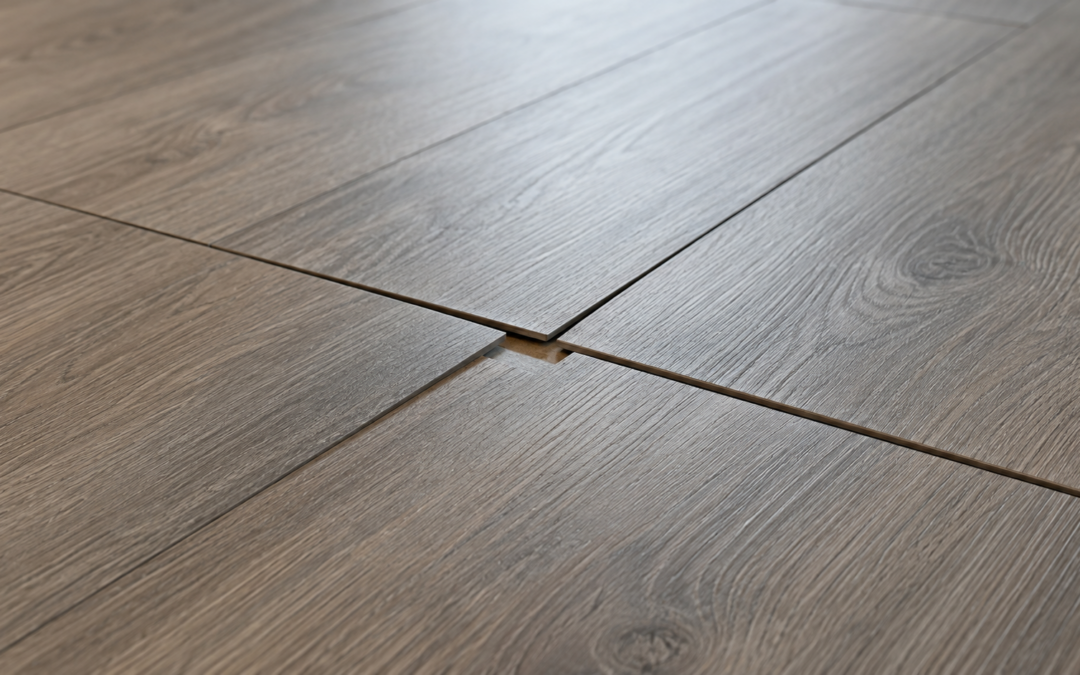
Vinyl plank flooring is popular for a reason. It gives you the look of wood, feels comfortable underfoot, and can be easier to maintain than many traditional flooring options. But what happens when you notice gaps between vinyl plank flooring?
A tiny, occasional gap does not always mean your floor has failed. Vinyl planks can respond to changes in temperature, installation conditions, and the surface beneath them. However, noticeable or growing vinyl flooring gaps warrant attention because they can affect the flooring’s appearance and performance.
So, are gaps between vinyl planks normal? Sometimes, but persistent gaps usually indicate that something needs to be corrected. The key is understanding why the vinyl plank flooring is separating and whether the problem can be corrected without replacing the entire floor.
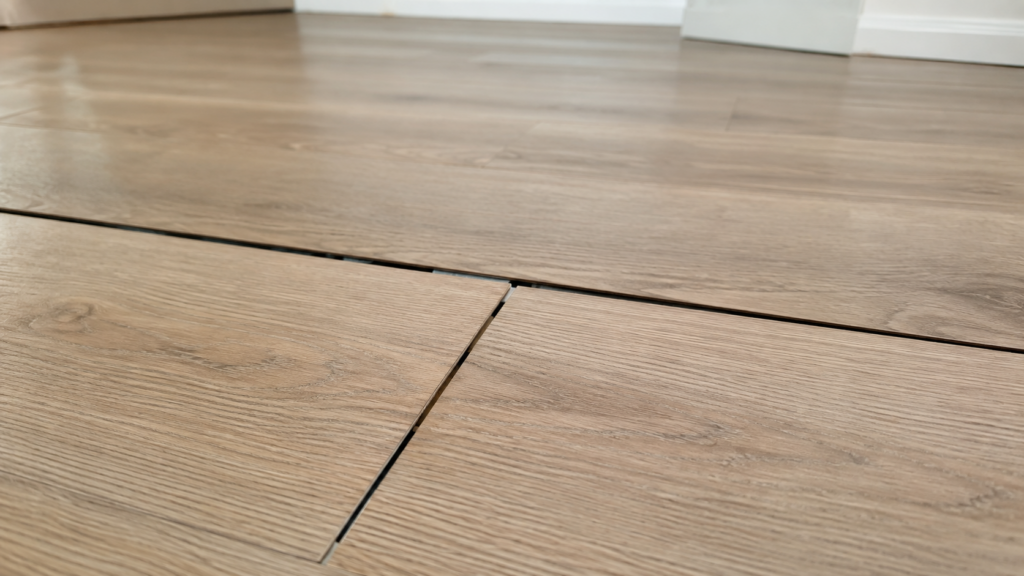
When Are Gaps Between Vinyl Planks a Concern?
Not every gap has the same significance. An isolated separation may be different from a pattern that develops across an entire room.
Pay attention if you notice:
- Several planks separating
- Gaps becoming larger over time
- Joints opening again after being repositioned
- Planks shifting when walked on
- Damaged or broken locking edges
- Separation occurring with buckling or peaking
- Gaps concentrated in one particular area
The pattern matters. A single small opening may be localized, while repeated separation can indicate that something is affecting the flooring system.
Why Do Vinyl Planks Develop Gaps?
Several factors can cause gaps in vinyl plank flooring. Some are related to the installation environment, while others develop after the flooring has been installed.
1. Uneven Subfloor
Vinyl plank flooring requires a properly prepared and sufficiently flat substrate. Low spots, high spots, or localized irregularities can prevent portions of the planks from receiving consistent support.
When the flooring spans these areas, it may flex or respond differently under normal foot traffic. Over time, that uneven support can place stress on the plank connections and contribute to separation.
Think something may be wrong underneath your floor? Learn the signs of subfloor damage to watch for.
2. Improper Installation
Installation-related problems can involve several aspects of how the vinyl planks were assembled, including:
- Locking joints that are not fully engaged
- Planks that are not properly aligned
- Inconsistent plank positioning
- Installation that does not follow the manufacturer’s requirements
- Inadequate preparation of the installation surface
These conditions can resemble other causes of gapping, so the appearance of the finished floor alone may not identify the installation issue.
Is your glue-down vinyl floor failing? Learn the problems that may be behind it.
3. Lack of Acclimation
Some vinyl plank products require acclimation before installation so the material can adjust to the temperature and conditions of the installation environment. If the manufacturer’s specified acclimation procedure is not followed, the planks may undergo dimensional changes after installation.
This can alter the fit between adjoining pieces and affect the geometry of the installed flooring. Acclimation requirements should always be determined from the specific product’s installation instructions.
4. Temperature Changes
Temperature-related conditions may be more noticeable in certain areas of a room, including:
- Gaps near large windows
- Flooring exposed to prolonged direct sunlight
- Areas close to heating sources
- Sections experiencing substantial temperature fluctuations
- Separation concentrated in areas with different environmental conditions
The location and timing of the gaps can provide useful information, but temperature alone does not prove the cause.
5. Inadequate Expansion Space
Floating vinyl plank flooring may require adequate perimeter clearance to accommodate dimensional changes. If planks are installed too tightly against walls, cabinets, transitions, or other fixed objects, the flooring may have insufficient room to respond to environmental changes.
This can place pressure on the installation and contribute to joint movement or separation. The required clearance depends on the specific product and manufacturer’s installation instructions.
What Should You Do If Your Vinyl Planks Are Separating?
Before attempting to fix vinyl plank flooring, document what you are seeing.
Take clear photographs of the affected joints and the surrounding area. Note how many planks are involved, where the gaps occur, and whether the condition changes over time.
It can also be useful to keep records of:
- When the gaps first appeared
- Whether they have increased
- Any changes in room temperature or use
- Previous repairs or adjustments
- The flooring product and installation date
If the flooring is involved in a warranty claim, an insurance matter, a construction dispute, or a disagreement over installation quality, avoid making significant alterations before the condition has been properly documented.
Related Articles:
Questions to Ask Before Hiring a Flooring Inspector
Why Flooring Inspections Save You Thousands in Repairs
Can Gaps Between Vinyl Planks Be Fixed?
The correct repair depends on the condition of the flooring and the reason for the separation. A displaced plank with an intact locking joint may be handled differently from a plank with a damaged connection.
In some cases, an affected plank can be repositioned or replaced. However, repeatedly closing a gap without determining why it developed may only provide a temporary correction.
If the condition is related to the substrate, installation, or environmental conditions, those factors may need to be addressed before a lasting repair can be expected. The manufacturer’s repair and installation requirements should also be considered.
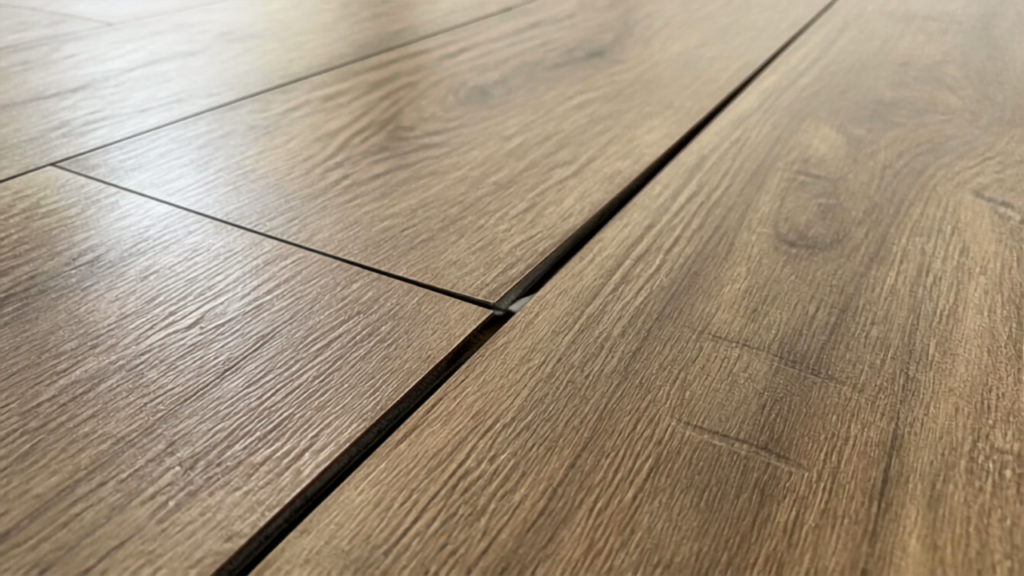
How Floorcovering Solutions Inc. Helps Determine the Cause
When gaps between vinyl planks are recurring, widespread, or disputed, an independent flooring evaluation can help determine what conditions may be associated with the problem.
At Floorcovering Solutions Inc., we look beyond the visible separation to understand the condition of the flooring as a whole. Henri Carr provides independent flooring inspection and consulting services for vinyl plank concerns, including LVP and LVT installations.
An inspection considers the flooring as it exists in the space rather than judging the condition from a single gap. This can be especially helpful when there are questions about whether the flooring was properly installed, whether the product is performing as expected, or whether the observed condition should be addressed.
Our services are available to homeowners, property owners, contractors, manufacturers, insurers, and attorneys dealing with flooring concerns, warranty matters, insurance claims, or construction disputes throughout the United States and Canada.
Let Floorcovering Solutions Inc. help you understand the condition. Contact Henri Carr to discuss your flooring inspection or consulting needs.