
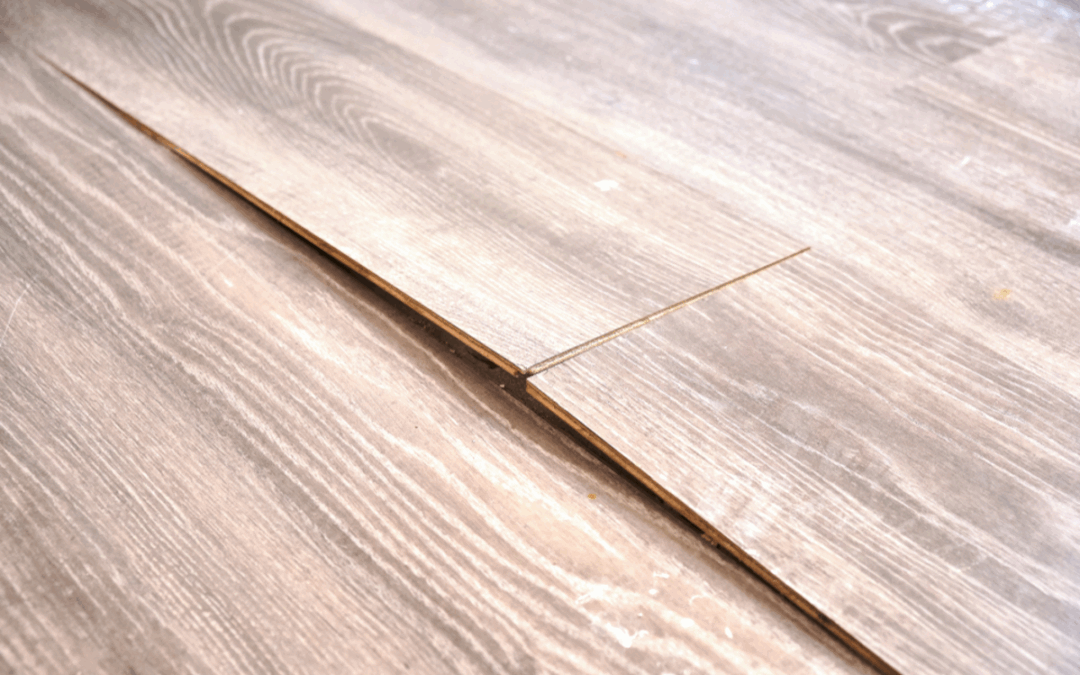
Your floors might look flawless on the surface, but what’s happening underneath could tell a completely different story. The hidden layer beneath your flooring, known as the subfloor, is what truly supports every step you take.
From hardwood and tile to vinyl plank and carpet, its condition directly impacts the strength, stability, and lifespan of your entire flooring system.
The challenge? Subfloor damage rarely announces itself early. Most homeowners only notice something is wrong when visible issues like buckling, sagging, or uneven spots start to appear-and by then, the damage may already be advanced.
That’s why spotting the early warning signs can make all the difference.
Catching subfloor problems early can save you from expensive repairs, protect your home’s structure, and ensure your floors stay safe, strong, and long-lasting.
What Is a Subfloor and Why Is It Important?
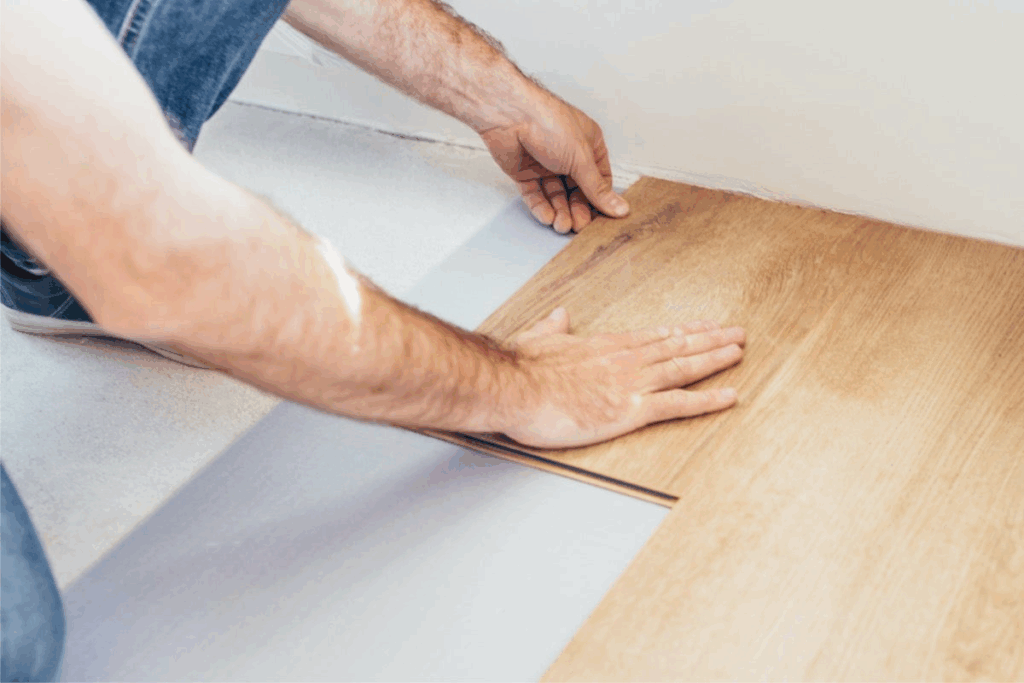
A subfloor is the foundational layer installed directly on top of floor joists. It provides stability, distributes weight, and creates a flat surface for finished flooring materials.
If the subfloor becomes compromised due to moisture, structural movement, or poor installation, it can affect the entire flooring system. This can lead to visible damage, safety concerns, and long-term structural issues.
Common Causes of Subfloor Damage
Before identifying the signs, it’s important to understand what typically causes subfloor problems:
- Moisture intrusion from leaks, humidity, or flooding
- Poor installation practices
- Inadequate ventilation in crawl spaces
- Structural shifting or settling
- Aging materials and wear over time
These factors can weaken the subfloor, leading to noticeable symptoms throughout your home.
Key Signs of Subfloor Damage
1. Uneven or Sagging Floors
One of the most noticeable signs of subfloor damage is an uneven or sagging floor. If certain areas feel lower than others or appear sloped, it may indicate that the subfloor is no longer structurally sound.
This can happen when moisture weakens the material or when the subfloor begins to deteriorate over time.
2. Squeaking or Creaking Sounds
While occasional floor noise is normal, persistent squeaking or creaking may point to a deeper issue.
These sounds often occur when the subfloor has loosened from the joists or when nails and fasteners no longer hold properly. Movement between layers can create friction, resulting in noise every time you walk across the floor.
Learn here – What are the Duties of a Slip & Fall Expert Witness
3. Soft or Spongy Spots
If your floor feels soft, bouncy, or spongy underfoot, this is a strong indication of subfloor damage.
This usually occurs when moisture has caused the subfloor material, especially wood, to weaken or rot. Over time, this can lead to structural instability and may require immediate attention.
4. Visible Flooring Damage
Subfloor problems often show up through the finished flooring.
Common signs include:
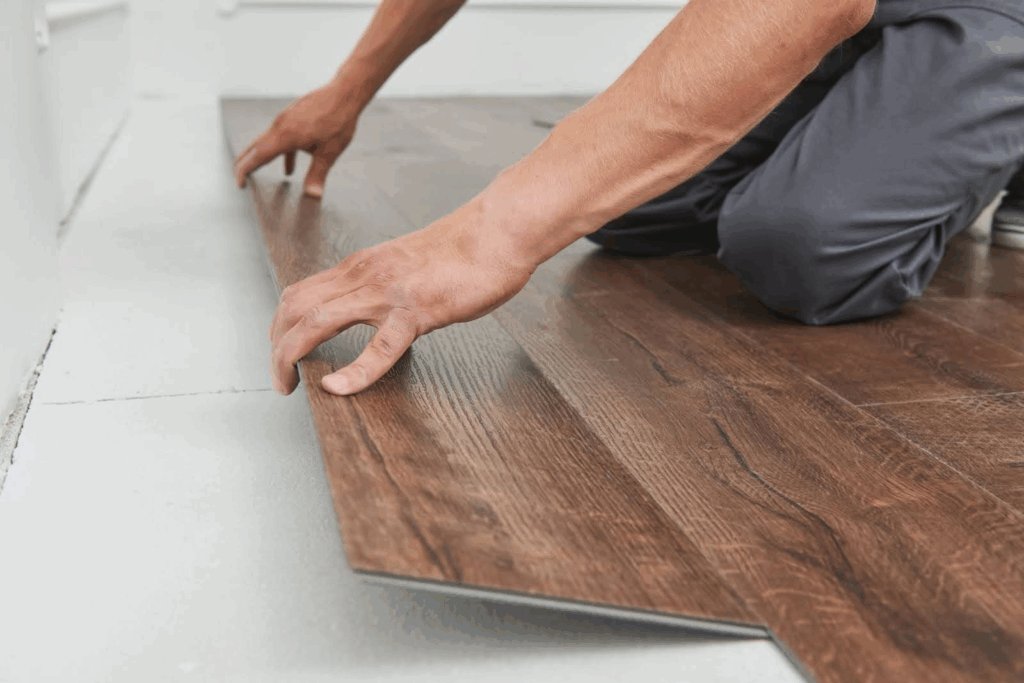
- Buckling or warping planks
- Cracked tiles
- Gaps between boards
- Lifting or separating flooring materials
These issues may seem like surface-level problems, but they are often caused by instability below.
5. Persistent Moisture or Musty Odors
A damp or musty smell in your home can indicate trapped moisture beneath your flooring.
Moisture is one of the most common causes of subfloor damage. If not addressed in time, it can result in mold growth, wood rot, and the gradual breakdown of materials.
6. Mold or Mildew Growth
Visible mold or mildew, especially near flooring edges or baseboards, is a serious warning sign.
This typically means moisture has penetrated the subfloor and created an environment where mold can thrive. In addition to damaging your home, this can also pose health risks.
7. Increased Movement in Flooring
If your floors shift, bounce, or feel unstable when walked on, it may indicate that the subfloor is no longer providing proper support.
This can be caused by weakened materials, improper fastening, or structural issues beneath the surface.
8. Cracks in Tile or Grout
Tile flooring relies on a stable, rigid subfloor. When the subfloor moves or deteriorates, it can cause tiles or grout lines to crack.
This is often one of the first visible signs that something is wrong beneath the surface.
Check here – Problems with Glue-Down Vinyl Plank Flooring
Why Early Detection Matters
Ignoring subfloor damage can lead to:
- Costly flooring replacement
- Structural issues in the home
- Mold and moisture-related health concerns
- Decreased property value
The earlier you identify and address the problem, the easier and more affordable it is to fix.
When to Consider a Professional Flooring Inspection
If you notice any of the signs mentioned above, it’s important not to rely on guesswork. Subfloor damage can have multiple underlying causes, and surface symptoms don’t always tell the full story.
If you are dealing with flooring problems such as buckling, lifting, gaps, or premature failure, a professional inspection can help determine the true cause.
Floorcovering Solutions Inc. focuses on diagnosing flooring failures and uncovering their underlying causes through expert flooring inspections and comprehensive technical reporting.
Contact us at (678) 595-5446 or email floorinspectors150@gmail.com.
Final Thoughts
Your flooring may be the most visible part of your home, but the subfloor is what keeps everything stable and secure. When subfloor damage occurs, it can impact not only your floors but also the safety and value of your property.
By recognizing the warning signs early and seeking professional guidance when needed, you can protect your home from long-term damage and costly repairs.
If something doesn’t feel right under your feet, it’s worth taking a closer look-because the problem may be deeper than it appears.