
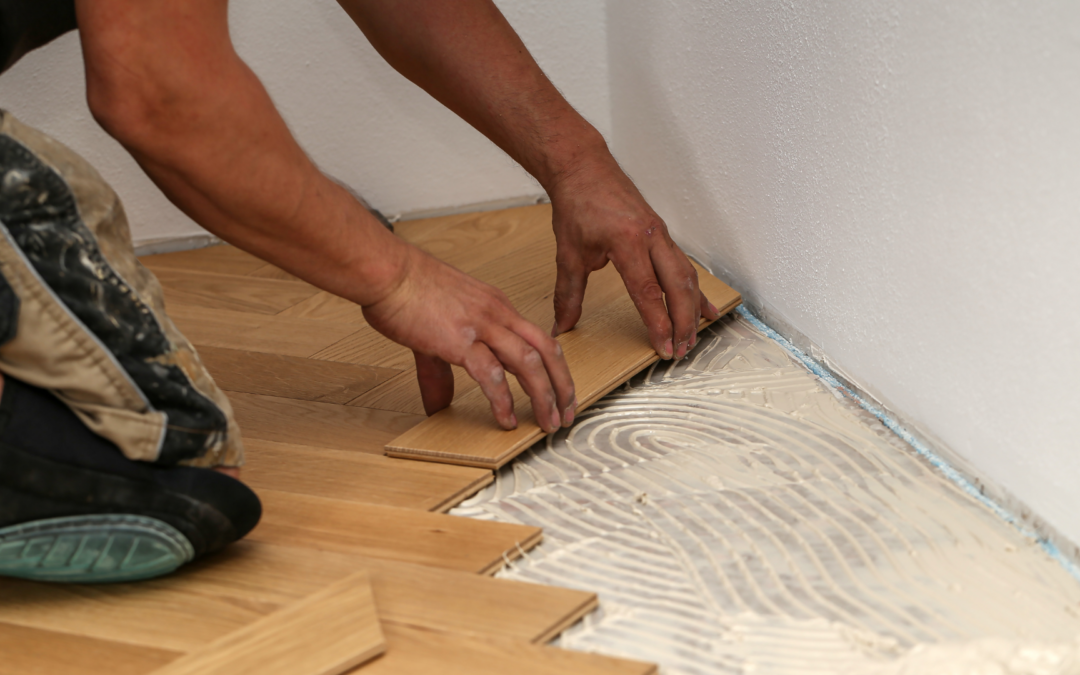
When a flooring problem develops, visible damage is only part of the picture. Cracks, gaps, buckling, discoloration, or separation can result from different conditions, and identifying the underlying cause requires more than simply looking at the affected area.
During an investigation, a professional flooring inspector examines the flooring and surrounding conditions while documenting details that may help explain the problem. This can include photographs, measurements, moisture conditions, subfloor conditions, installation details, product information, previous repairs and changes, and relevant project records.
The evidence collected helps create a documented record of the flooring’s condition and provides important information for evaluating how and why a problem may have developed.
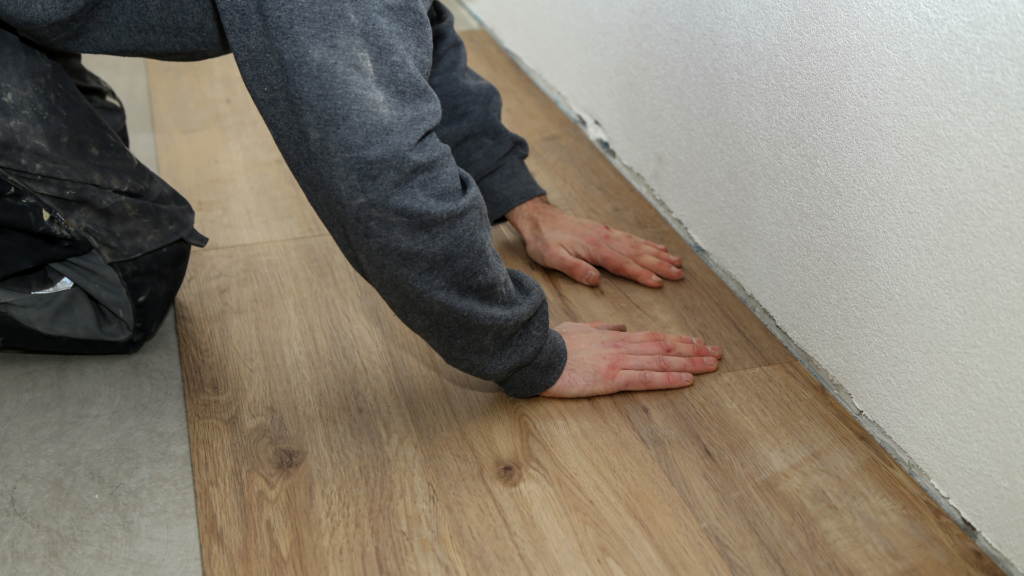
What Evidence Do Flooring Inspectors Collect?
The evidence collected during a flooring investigation depends on the flooring type, reported problem, and inspection conditions. Inspectors may document physical conditions, measurements, moisture, installation details, product information, relevant records, and reported problem history.
1. Photographs of Flooring Conditions
Photographs provide a visual record of the conditions observed during a flooring inspection. A flooring inspector may photograph cracks, gaps, buckling, discoloration, separation, damaged areas, transitions, joints, and other conditions related to the reported problem.
Wider photographs can also show where the issue occurs within the property, while close-up images can capture specific details that may be important during the investigation.
2. Measurements and Physical Observations
Measurements help document the size, extent, and location of a flooring condition. They can provide information that may not be clear from photographs alone and help establish how widespread a reported problem is.
Depending on the problem, an inspector may record:
- Dimensions of affected areas
- Width of gaps
- Elevation differences
- Location and extent of damage
- Visible installation conditions
These measurements and observations provide a clearer record of what was found during the inspection and how the condition appears across the affected area.
3. Moisture and Environmental Conditions
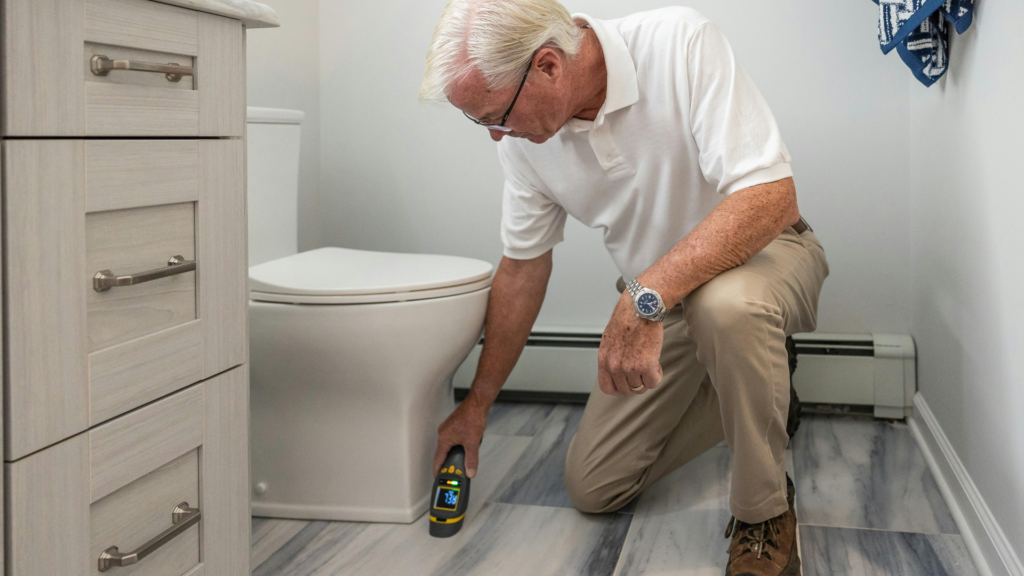
Moisture and environmental conditions can affect flooring performance and may be relevant to an investigation. Moisture testing can help document conditions that are not visible during a visual inspection.
Depending on the flooring system and reported problem, testing may include:
- Moisture levels in the flooring or subfloor
- Relative humidity
- Temperature
- Moisture vapor conditions
- Other environmental measurements
The type of testing used depends on the flooring material, reported condition, and circumstances of the investigation. Test results can then be considered alongside visual observations, installation details, and other evidence when evaluating the flooring condition.
4. Subfloor Conditions
The condition of the subfloor can affect the performance and installation of flooring. During a subfloor inspection, an inspector may document accessible conditions such as surface irregularities, cracking, movement, moisture, contamination, or other characteristics that may be relevant to the flooring problem.
These observations can help provide context when evaluating conditions observed in the finished flooring.
Tip: Noticing uneven floors, soft spots, or movement? Learn the signs of subfloor damage and what to check before flooring problems get worse.
5. Installation Details
Installation details can provide important evidence when evaluating a flooring problem. Depending on the flooring system, an inspector may document the installation method, joints, transitions, expansion provisions, underlayment, adhesive application where accessible, fastening, and other details that may be relevant to the reported condition.
These details can then be considered alongside manufacturer requirements and other available information. A flooring consultant may also review installation conditions when providing technical guidance related to a flooring problem.
6. Flooring Product Information
Product information helps establish what flooring material was installed and what requirements may apply. An inspector may review the manufacturer, product type, model or style, technical specifications, installation instructions, warranty information, and lot or batch details when available.
This information can be useful when evaluating whether the observed conditions are consistent with the product’s requirements or documented characteristics.
7. Installation and Project Records
Project records can provide information that may not be visible during a physical inspection. They can help establish what materials were purchased, when the flooring was installed, and what procedures or documentation were associated with the project.
Available records may include:
- Purchase documents
- Invoices
- Installation contracts
- Product specifications
- Moisture-testing records
- Previous inspection reports
These documents can help provide a clearer history of the flooring installation and support the evaluation of the physical conditions observed.
8. Previous Repairs and Changes
Previous repairs or modifications can be relevant when investigating a flooring problem. An inspector may document repaired, replaced, patched, or modified areas and compare them with surrounding flooring to identify differences in condition or installation.
Repair records, photographs, or information about when the work was completed can also help establish whether the reported condition is new, recurring, or associated with an earlier repair or change to the flooring system. This information can provide additional context when evaluating the current condition.
Note: A professional flooring inspection can uncover hidden problems before they become expensive. Learn how flooring inspections can save you thousands in repairs and protect your investment.
9. Problem History and Occupant Information
Information from property owners, occupants, or contractors can provide important context during a flooring investigation. An inspector may ask when the problem started, how it has changed, and whether there were any water leaks, spills, repairs, or other events.
Questions may also cover cleaning, maintenance, HVAC, humidity, and foot traffic. This information helps establish a timeline and provides context that may not be visible during the physical inspection.
Note: Vinyl flooring showing buckling, gaps, or other problems? Review the vinyl flooring inspection services available to document the condition and investigate potential contributing factors.
How Is the Evidence Used?
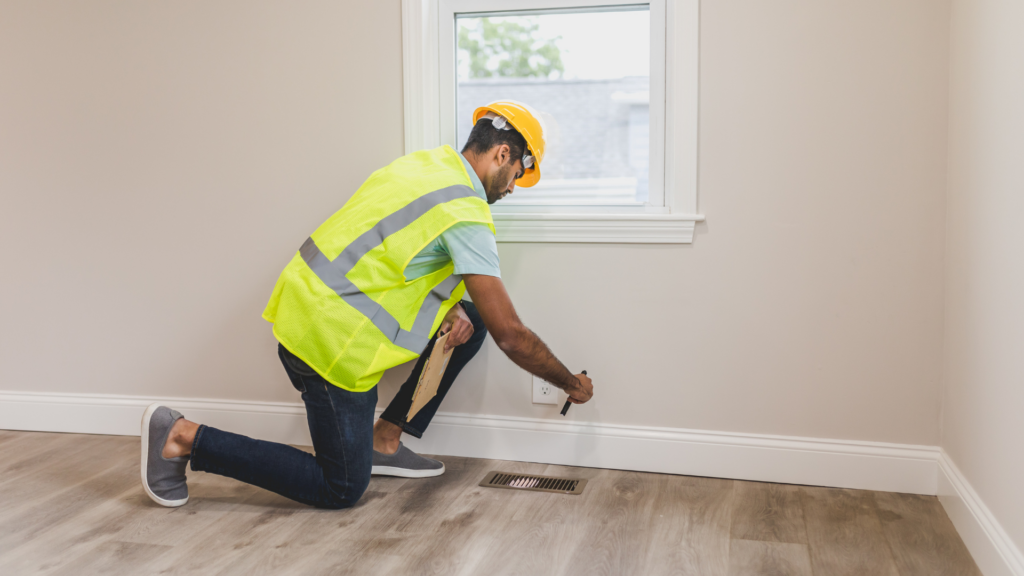
Collecting evidence is only one part of a flooring investigation. The inspector evaluates the information together to understand the observed conditions and determine which factors may be relevant to the reported problem. A flooring inspection report can then document the relevant observations, measurements, testing, and findings.
A professional investigation may involve comparing:
Physical conditions + measurements + testing + installation details + product information + project records + reported problem history
This approach helps the inspector develop a documented assessment of the flooring condition and identify factors that may have contributed to the reported problem.
The available evidence may also be important when a flooring issue involves an insurance claim, warranty concern, construction dispute, or other disagreement about the condition of the flooring.
Related Articles:
How Floor Inspectors Identify Premature Flooring Failure
Why Your New Floor Is Failing After Only a Few Months
How Improper Acclimation Ruins Flooring Installations
Have Questions About Your Flooring Condition?
If you are dealing with a flooring problem and need a professional evaluation, Floorcovering Solutions Inc. provides independent flooring inspection and consulting services for residential and commercial properties. With more than 49 years of flooring experience, Henri Carr evaluates flooring conditions, installation issues, product concerns, moisture-related conditions, and other reported problems.
Floorcovering Solutions Inc. serves clients throughout the United States and Canada and provides detailed inspections and documentation to help property owners, contractors, insurers, attorneys, and other involved parties better understand flooring conditions and potential contributing factors.
Contact Floorcovering Solutions Inc. at 678-595-5446 or email floorinspectors150@gmail.com to discuss your flooring inspection needs.
Should You Repair or Replace Flooring Before an Inspection?
If possible, avoid repairing, removing, or replacing the affected flooring until the inspection is complete. Altering the flooring can remove or change evidence such as its original condition, installation details, adhesive patterns, and subfloor conditions.
Before any work begins, it helps to:
- Take clear photos and videos of the affected areas, including wide and close-up views
- Keep removed materials, leftover flooring, and product packaging
- Avoid cleaning, sanding, or treating the affected area unless necessary
- Save invoices, warranty documents, and communications with the installer or manufacturer
- Notify your insurer, installer, or manufacturer before starting repairs if a claim or warranty issue may be involved
If there is an active water leak, safety hazard, or condition that could cause further damage, take reasonable steps to address the immediate problem and protect the property. Document the conditions first when possible, then contact the inspector as soon as practical.