
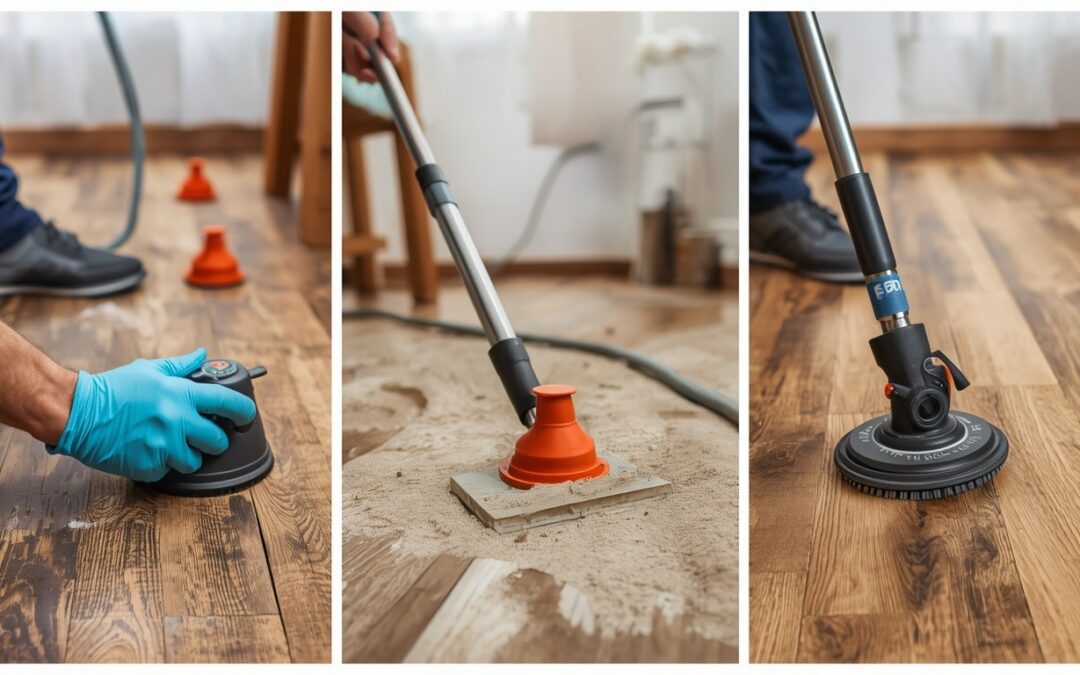
A beautiful new floor can completely transform a home or commercial space, but even the highest-quality flooring materials can fail if moisture issues are ignored. Excess moisture hidden beneath the surface is one of the leading causes of flooring damage, often resulting in costly repairs, installation failures, and customer dissatisfaction.
Whether it’s hardwood, laminate, vinyl plank, tile, or carpet, every flooring system is affected by moisture in some way. That’s why professional flooring moisture testing is a critical step before and after installation.
By identifying moisture-related risks early, installers, property owners, and contractors can avoid major structural and cosmetic problems later.
Why Moisture Testing Is Critical for Flooring
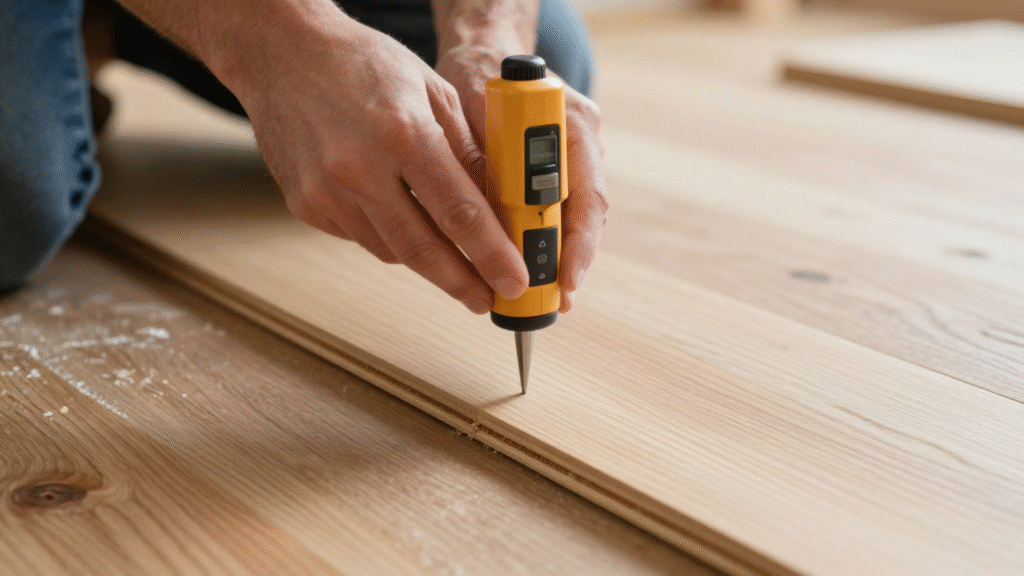
Moisture testing helps prevent flooring failures, protects flooring investments, and identifies hidden moisture problems before installation. Proper testing improves durability, supports manufacturer warranties, and ensures long-term flooring performance.
1. Moisture Testing Prevents Flooring Failures
One of the biggest reasons flooring installations fail is uncontrolled moisture. Floors may look perfect immediately after installation, but hidden moisture beneath the surface can slowly cause serious problems over time.
Common moisture-related flooring failures include:
- Warping
- Buckling
- Cupping
- Peaking
- Adhesive breakdown
- Mold growth
- Delamination
- Hollow sounds underfoot
For example, hardwood flooring naturally expands and contracts depending on moisture conditions. If installed over a damp subfloor, the boards may absorb moisture and swell, causing the floor to lift or deform.
Luxury vinyl plank (LVP) and laminate flooring may experience adhesive failure, swelling, or surface instability when installed over concrete slabs with excessive moisture.
Professional moisture testing helps identify unsafe moisture levels before installation begins, reducing the risk of expensive flooring failures later.
If you are experiencing moisture-related flooring issues or need a professional floor inspection service, contact Floorcovering Solutions Inc. for expert evaluation and testing.
2. It Protects the Flooring Investment
Installing new flooring is a significant investment for homeowners, builders, and commercial property owners. When moisture problems occur, repairs can become extremely expensive because the damaged flooring often needs to be removed and replaced entirely.
In many cases, the visible flooring issue is only part of the problem. Moisture can also damage:
- Subfloors
- Adhesives
- Underlayment materials
- Baseboards
- Walls nearby
Ignoring moisture testing may save time initially, but it often leads to larger financial losses in the future. However, the cost of a professional floor inspection is often small compared to the expense of replacing moisture-damaged flooring.
Proper moisture testing protects the investment by ensuring the flooring system is installed under acceptable conditions. This not only improves durability but also extends the lifespan of the floor itself.
3. Different Flooring Materials React Differently to Moisture
Every flooring material behaves differently when exposed to moisture. This is why moisture testing is not a one-size-fits-all process.
Hardwood Flooring
Hardwood is highly sensitive to moisture changes. Excess moisture can cause:
- Expansion
- Cupping
- Gapping
- Cracking
- Surface distortion
Wood flooring also requires proper acclimation before installation to stabilize moisture levels. Improper acclimation can lead to serious flooring problems.
Laminate Flooring
Laminate flooring can swell or separate at the seams when exposed to excessive moisture. Once water penetrates the core material, permanent damage often occurs.
Vinyl Flooring
Although luxury vinyl plank flooring is marketed as water-resistant, moisture beneath the subfloor can still weaken adhesives and lead to installation failures.
Carpet Flooring
Moisture trapped beneath carpet can contribute to mold growth, odors, adhesive issues, and deterioration of the carpet backing.
Concrete Subfloors
Concrete slabs may appear dry on the surface while still containing excessive internal moisture. Without proper testing, moisture vapor emissions can damage nearly any flooring type installed above.
Because each material responds differently, professional moisture testing ensures the correct installation methods and moisture limits are followed.
4. It Helps Identify Hidden Problems Early
Many moisture issues are invisible during a standard visual inspection. A floor may appear perfectly normal while hidden moisture is actively damaging the flooring system underneath.
Professional moisture testing of floors helps uncover hidden issues such as:
- Water intrusion
- Plumbing leaks
- Concrete curing problems
- High humidity conditions
- Inadequate vapor barriers
- Moisture trapped beneath flooring materials
Early detection is extremely important because moisture problems tend to worsen over time. A small hidden issue today can gradually develop into widespread structural damage or major remediation work.
Testing before installation allows contractors and property owners to address moisture concerns before they become costly repairs.
5. It Supports Warranty Protection and Industry Standards
Most flooring manufacturers provide strict moisture requirements for installation. If these guidelines are ignored, warranties may become void.
For example, manufacturers often specify:
- Maximum moisture content for wood subfloors
- Relative humidity limits for concrete slabs
- Approved moisture testing methods
- Acceptable job-site environmental conditions
Without documented moisture testing results, it can be difficult to prove that the installation met manufacturer requirements.
Flooring inspectors use specialized tools and industry-approved testing methods to accurately verify moisture conditions.
Proper documentation protects contractors, installers, and property owners if flooring disputes arise later.
Related Articles:
Why Flooring Inspections Save You Thousands in Repairs
Signs of Subfloor Damage Every Homeowner Should Know
Hardwood Floor Inspection Checklist for Homeowners
Common Signs of Moisture Problems in Flooring
Moisture-related flooring issues may not always appear immediately. Some warning signs develop slowly over time.
Common signs include:
- Floorboards are lifting or separating
- Soft or spongy flooring areas
- Hollow sounds when walking
- Musty odors
- Discoloration or staining
- Mold or mildew growth
- Curling carpet edges
- Cracked tile grout
- Uneven flooring surfaces
If any of these signs appear, professional moisture testing for flooring can help determine the underlying cause.
How Professional Moisture Testing Works
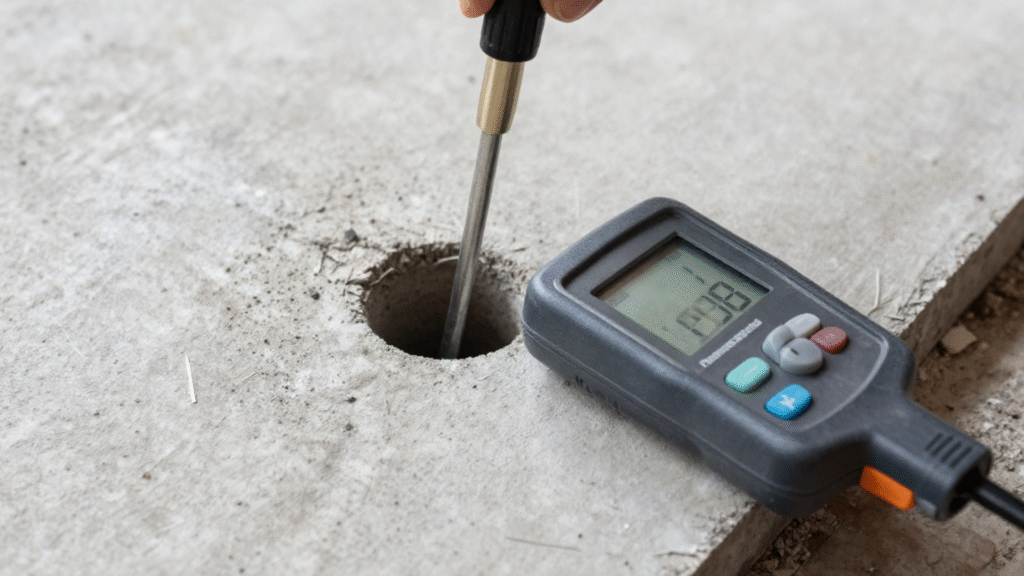
Professional flooring inspectors use advanced equipment to measure moisture levels accurately in both flooring materials and subfloors.
- Surface Moisture Testing: Moisture meters are used to measure moisture levels in wood, laminate, or concrete surfaces.
- Relative Humidity Testing: Special probes measure humidity levels inside concrete slabs to determine whether the slab is suitable for flooring installation.
- Moisture Mapping: Inspectors identify areas with elevated moisture and track how far the problem extends.
- Environmental Evaluation: Temperature and humidity conditions inside the property are evaluated because environmental conditions directly affect flooring performance.
These tests help identify the root cause of moisture-related flooring problems instead of only addressing visible symptoms.
Note: Accurate moisture testing requires the right tools, experience, and professional evaluation. At Floorcovering Solutions Inc., we provide expert moisture testing, flooring inspection, and consultation services for residential and commercial properties.
Henri Carr is a certified flooring inspector specializing in identifying hidden moisture issues, subfloor defects, adhesive failures, and installation-related flooring problems. We use industry-approved testing methods and detailed evaluations to help property owners, contractors, and businesses identify the root causes of flooring failures and moisture-related issues.
Why Moisture Testing Should Never Be Skipped
Some installers may skip moisture testing to save time or reduce costs, but doing so creates unnecessary risk. Flooring failures caused by moisture can lead to:
- Expensive repairs
- Legal disputes
- Insurance claims
- Project delays
- Customer complaints
- Reduced property value
Moisture testing is a small investment compared to the high cost of repairing or replacing a failed flooring system.
When performed properly, moisture testing helps ensure the flooring installation is built on a stable and reliable foundation.Protect your flooring investment by scheduling a professional inspection with Floorcovering Solutions Inc. today.