
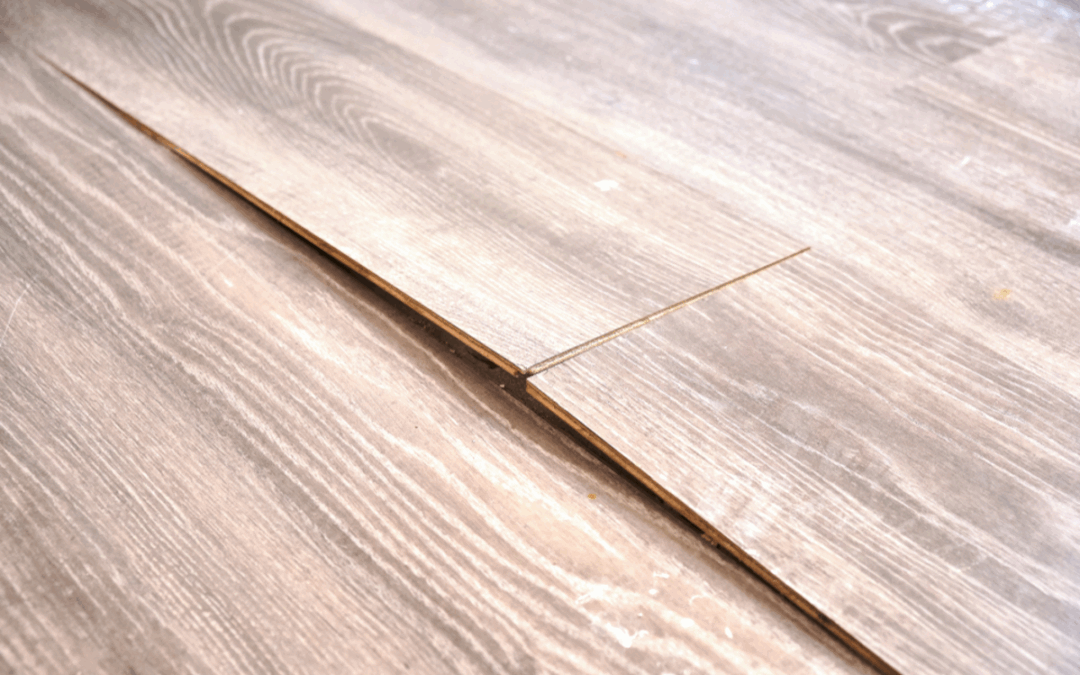
Vinyl plank flooring has become one of the most popular flooring options in modern homes and commercial spaces. It is durable, attractive, and often marketed as water-resistant or waterproof. However, despite its many benefits, homeowners and property managers sometimes encounter a frustrating issue: buckling vinyl plank flooring.
Buckling occurs when sections of the flooring lift, warp, or form ridges instead of lying flat. In severe cases, planks may separate from the subfloor or create visible humps across the room. While it might seem like a product failure, buckling is usually a symptom of an underlying installation, environmental, or structural problem.
Understanding the true cause is essential before attempting repairs. In many cases, identifying the problem requires a professional flooring inspection, especially if insurance claims, warranties, or construction disputes are involved.
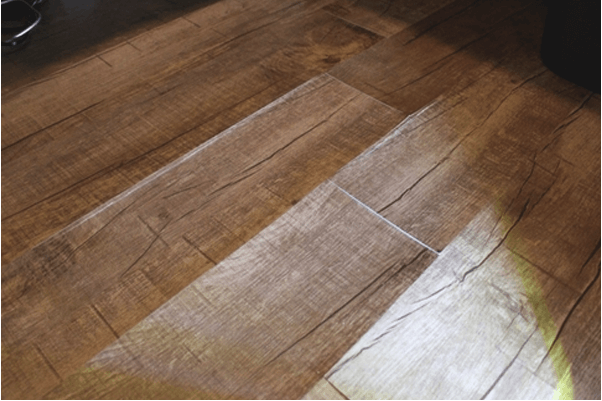
What Does “Buckling” Mean in Vinyl Plank Flooring?
Buckling refers to lifting, warping, or uneven movement in vinyl planks that causes the floor to lose its flat, stable appearance. Instead of lying evenly against the subfloor, planks may:
- Lift at the seams
- Form bubbles or waves
- Separate or shift
- Create raised areas when walked on
These issues can appear gradually or suddenly depending on the underlying cause.
Vinyl floors are designed to expand and contract slightly with changes in temperature and humidity. When something interferes with that natural movement, pressure builds up and the flooring may buckle or distort.
Most Common Causes of Vinyl Plank Floor Buckling
1. Moisture Problems Beneath the Flooring
One of the most common causes of buckling vinyl flooring is excess moisture trapped beneath the planks.
Even though vinyl is water-resistant, moisture can still affect the materials underneath the flooring system. When water enters the subfloor or adhesive layer, it can weaken the bond and cause the planks to lift or shift.
Common sources of moisture include:
- Concrete slab moisture vapor
- Plumbing leaks
- Flooding or water damage
- High indoor humidity
- Wet subfloor materials during installation
If moisture travels upward through the subfloor, it can break down adhesives or create pressure that forces planks upward.
This issue is especially common in:
- Basements
- Homes built on concrete slabs
- Areas without vapor barriers
- Rooms with previous water damage
Moisture problems often require professional testing to identify the source before repairs can begin.
👉 Problems with Glue-Down Vinyl Plank Flooring
2. Improper Installation
Many vinyl plank flooring failures are directly linked to installation errors.
Even high-quality flooring materials can fail if they are installed incorrectly. If installers skip important preparation steps, the floor may buckle within months or years after installation.
For example, failing to leave proper expansion gaps around the walls prevents the flooring from expanding and contracting naturally with temperature changes.
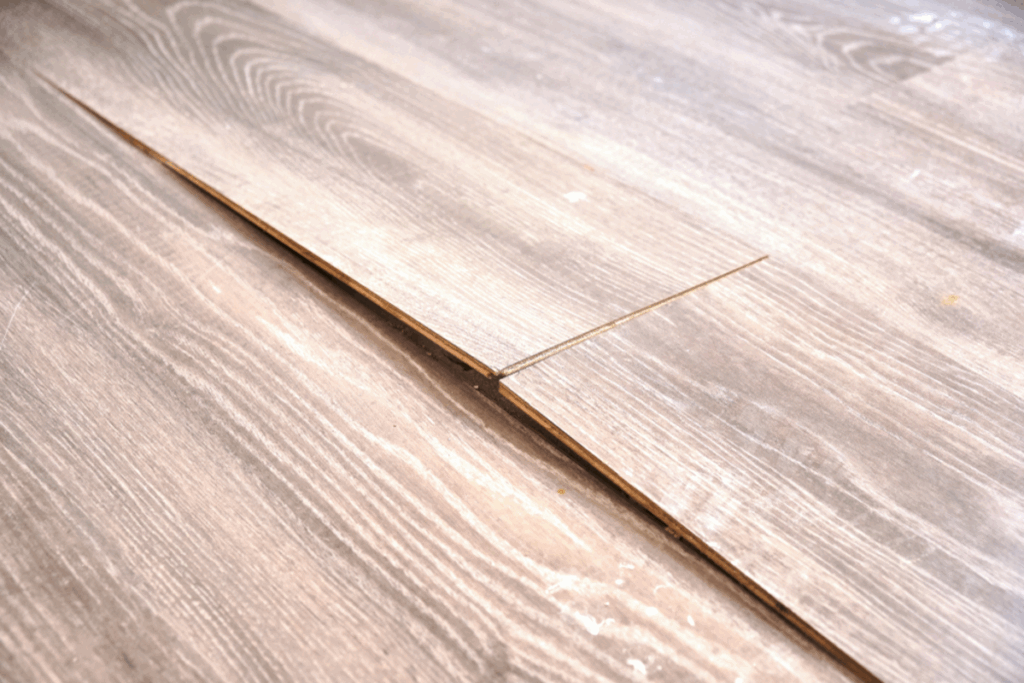
Incorrect adhesive application can weaken the bond between the planks and the subfloor, causing sections of the floor to lift over time. Another frequent issue is installing planks too tightly together, which creates pressure as the material expands, eventually leading to buckling or warping.
Skipping the recommended acclimation time before installation can cause the flooring to expand or shrink after it has already been installed, resulting in movement, gaps, or raised areas in the floor.
Vinyl flooring requires small expansion gaps around the edges of the room so the material can move naturally with temperature changes. Without these gaps, planks push against walls or cabinets and begin to lift.
Another common issue is installing flooring immediately after delivery without allowing it to adjust to the indoor climate. When the material later expands or contracts, stress can develop across the floor.
3. Subfloor Problems
The subfloor is the foundation of any flooring system. If it is uneven, damaged, or unstable, vinyl planks may buckle over time.
Common subfloor issues include:
- Uneven surfaces
- Structural movement
- Loose underlayment
- Debris beneath the flooring
- Soft or deteriorating wood subfloors
Even small dips or bumps in the subfloor can create pressure points that eventually cause planks to lift or separate.
Also Learn – How Attorneys Use Expert Witness Services for Slip & Fall Accidents
4. Temperature Changes and Sunlight Exposure
Vinyl flooring expands and contracts when temperatures change.
If the flooring is exposed to excessive heat, especially from direct sunlight, it can expand enough to cause buckling. Areas near windows, sliding doors, and sunrooms often experience this issue.
When the material expands but cannot move freely due to tight installation or heavy furniture, the pressure can cause planks to lift.
Common heat-related causes include direct sunlight coming through large windows, which can warm the flooring surface and cause expansion.
Rooms with poor climate control can also create temperature fluctuations that affect the stability of vinyl plank flooring.
Seasonal temperature changes may lead to repeated expansion and contraction of the material over time.
In some homes, radiant floor heating systems can introduce additional heat beneath the flooring, which may contribute to movement or buckling if the flooring was not installed according to the manufacturer’s temperature guidelines.
Over time, repeated expansion and contraction cycles can weaken joints or adhesives.
5. Adhesive Failure
In glue-down vinyl plank flooring systems, adhesive plays a critical role in keeping planks securely attached to the subfloor.
If the adhesive bond fails, planks may lift or shift out of place.
Adhesive failure may occur because of:
- Moisture contamination
- Incorrect adhesive type
- Poor application during installation
- Subfloor contamination (dust or debris)
Moisture vapor rising through concrete slabs is a particularly common cause of adhesive breakdown in glue-down flooring systems.
Another possible cause of flooring failure is the use of an adhesive that is not approved by the flooring manufacturer. When installers use the wrong adhesive or substitute products that are not designed for that flooring system, the bond between the vinyl planks and the subfloor may weaken over time. This can lead to gapping, lifting, and movement in the vinyl flooring, eventually resulting in visible buckling across the floor surface.
Once the adhesive loses strength, the planks can move freely and begin to buckle.
6. Heavy Furniture or Structural Pressure
Large or heavy objects placed on vinyl plank flooring can sometimes restrict movement.
Items that commonly contribute to buckling include kitchen islands, large cabinets, pianos, and heavy appliances.
If flooring is installed beneath heavy fixtures without proper expansion planning, the planks may become trapped and unable to expand or contract normally.
This pressure can eventually force the flooring to lift in surrounding areas.
Professional Flooring Inspection and Consulting Services
If you are dealing with vinyl plank flooring problems such as buckling, lifting, gaps, or premature failure, a professional inspection can help determine the true cause. Floorcovering Solutions Inc., led by flooring expert Henri Carr, specializes in analyzing flooring failures and identifying the root causes through professional flooring inspections and detailed technical documentation.
Our services help property owners, contractors, insurance companies, and legal professionals understand whether issues are related to installation errors, moisture problems, product defects, or subfloor conditions.
For more information about flooring inspections, consulting, or expert witness support, property owners, contractors, and legal professionals can contact Floorcovering Solutions Inc. at (678) 595-5446 or email floorinspectors150@gmail.com.
Check out – What’s Included in a Flooring Inspection Report?
How to Prevent Vinyl Plank Floor Buckling
Although buckling can occur for several reasons, many problems are preventable.
Best practices include:
Proper Installation
Follow manufacturer guidelines carefully and ensure installers leave expansion gaps and prepare the subfloor correctly.
Moisture Testing
Concrete slabs and subfloors should always be tested for moisture before installation.
Climate Control
Maintain consistent indoor temperature and humidity levels.
Subfloor Preparation
Ensure the subfloor is flat, dry, and structurally sound.
Professional Installation
Hiring experienced flooring installers can significantly reduce the risk of installation-related failures.
Final Thoughts
Vinyl plank flooring is designed to be durable and long-lasting, but buckling can occur when environmental conditions, installation errors, or structural problems interfere with the flooring system.
Because multiple factors may contribute to flooring failure, professional inspection is often the most reliable way to determine the true cause.If your vinyl plank flooring is buckling or lifting, working with a flooring inspection expert can help identify the issue quickly and provide the documentation needed for repairs, insurance claims, or construction disputes.