
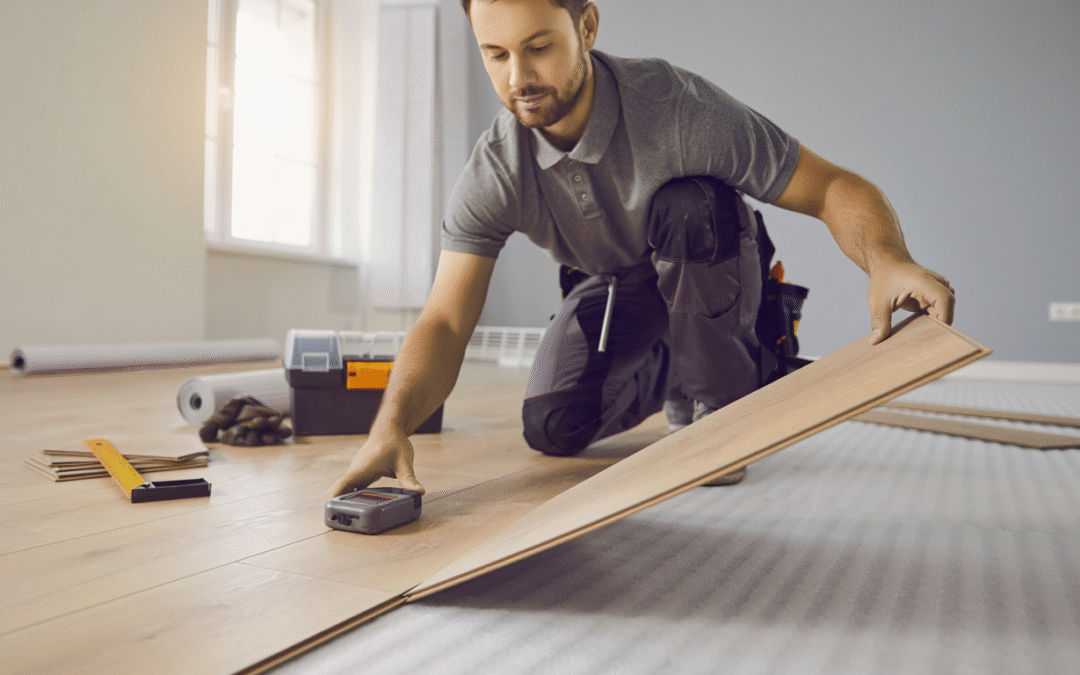
When flooring issues arise, whether it’s buckling hardwood, cracked tile, carpet defects, or a warranty dispute, a professional flooring inspection can help identify the cause and provide clear answers. One of the first questions property owners often ask is: How long does a professional flooring inspection take?
While there isn’t a one-size-fits-all answer, most flooring inspections can be completed within a few hours. The exact timeframe depends on several factors, including the size of the area being inspected, the type of flooring involved, and the complexity of the issue.
Understanding what affects the inspection process can help you prepare for the visit and know what to expect from start to finish.
Typical Flooring Inspection Timeframes
Although every project is different, most inspections fall within the following general time ranges:
- Small residential areas: 1–2 hours
- Average-sized homes: 2–3 hours
- Large residential properties: 3–4 hours
- Commercial facilities: Several hours to a full day, depending on scope
These estimates refer to the onsite inspection itself. Additional time may be required afterward for analysis and report preparation.
Don’t Wait for Costly Floor Damage. Discover how a professional inspection can save you thousands.
Why Inspection Times Vary
Several factors can influence the amount of time needed to complete a thorough flooring inspection. From the size of the property to the nature of the flooring issue, each project presents unique conditions that may affect the overall inspection process.
Size of the Area Being Inspected
One of the biggest factors influencing inspection time is the square footage involved.
A small bedroom with a localized flooring concern can be evaluated relatively quickly. In contrast, a large office building, retail space, hotel, or multi-room residence requires more time to examine all affected areas thoroughly.
Larger properties often involve:
- More measurements
- Additional documentation
- Multiple flooring conditions
- Greater testing requirements
The larger the inspection area, the more time is needed to ensure an accurate assessment.
Type of Flooring Material
Different flooring materials require different inspection methods.
For example:
- Hardwood flooring may require moisture readings and dimensional measurements.
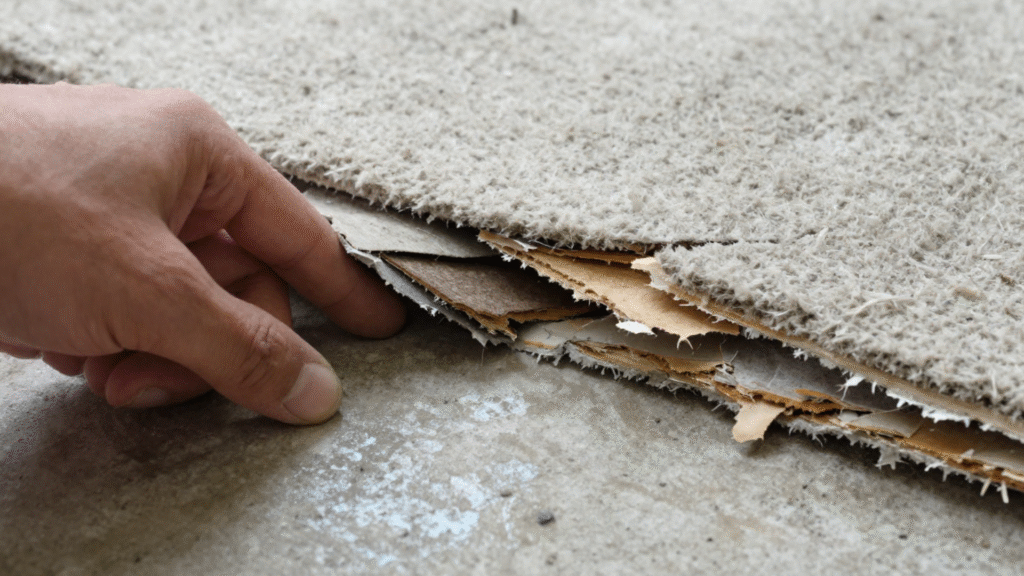
- Carpet inspections often involve seam evaluations, stretching assessments, and wear analysis.
- Tile inspections may require checking substrate conditions, grout integrity, and installation methods.
- Laminate and luxury vinyl flooring inspections often focus on expansion gaps, moisture conditions, and locking mechanisms.
Because each flooring category has unique performance characteristics, inspection procedures can vary considerably.
Complexity of the Problem
Not all flooring issues are immediately obvious.
Some problems, such as visible cracks or loose flooring, can often be identified quickly. Others require a deeper investigation to uncover contributing factors.
Complex situations may involve:
- Multiple potential causes
- Environmental influences
- Moisture migration
- Installation concerns
- Product performance issues
When several variables must be evaluated, inspectors typically spend more time gathering evidence before reaching conclusions.
Moisture Testing Requirements
Moisture is one of the most common causes of flooring failures.
When moisture is suspected, inspectors may perform additional testing to determine whether elevated moisture levels are affecting the flooring or subfloor system. Evaluating multiple locations and collecting sufficient data can extend the inspection process.
Accessibility of the Flooring
Easy access helps inspections move more efficiently.
If furniture, equipment, displays, or stored materials cover large portions of the floor, additional time may be needed to access and evaluate affected areas.
Property owners can often help streamline the process by ensuring reasonable access before the inspector arrives.
Related Articles:
Problems with Glue-Down Vinyl Plank Flooring
Why Builders and Contractors Trust Independent Inspectors
How Much Does a Floor Inspection Cost?
What Happens During the Inspection?
While every project is different, most flooring inspections include several key steps:
- Reviewing the Flooring Concern: The inspection typically begins with a discussion about the issue. Information such as when the problem first appeared, whether it has changed over time, previous repair attempts, and any events that may have affected the floor can provide valuable context.
- Evaluating Flooring and Site Conditions: The flooring system is then examined for visible signs of damage, wear patterns, installation concerns, movement, moisture-related symptoms, and other performance issues. Environmental conditions that may influence the flooring’s behavior are also considered.
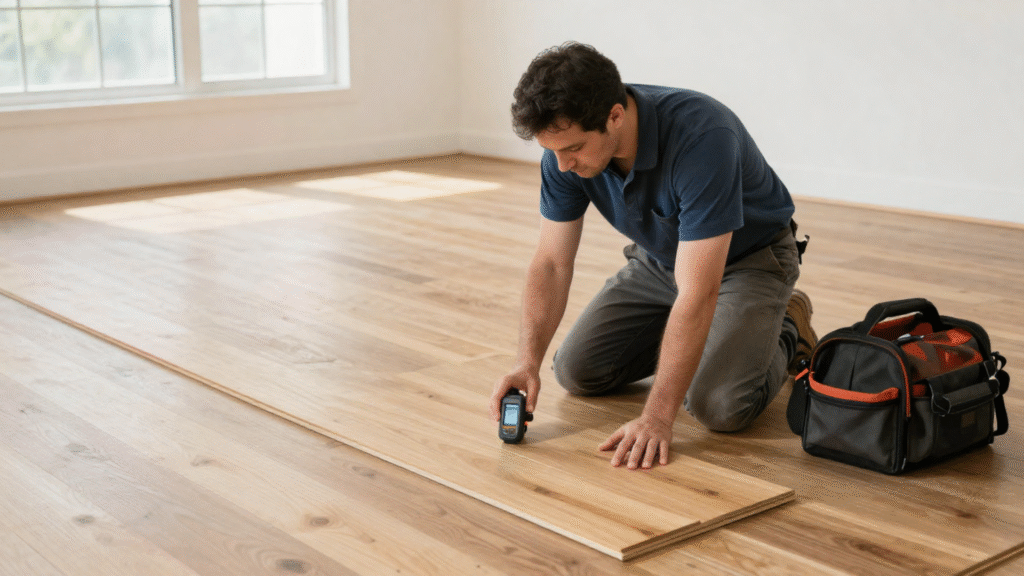
- Collecting Measurements and Documentation: Depending on the flooring type and the nature of the concern, measurements and testing may be performed. This can include moisture readings, environmental data, floor flatness measurements, and dimensional evaluations. Photographs and supporting documentation are gathered throughout the inspection process.
The amount of time spent on each step depends on the size of the project and the complexity of the flooring issue being investigated.
Does the Inspection Include the Final Report?
The onsite inspection is only one part of the overall process.
After the property visit, collected data, measurements, photographs, and observations may need to be reviewed and analyzed before conclusions are finalized. A written report is then prepared to document the findings.
The time required for report preparation varies based on the scope of the inspection and the complexity of the issues involved. In many cases, property owners receive their completed report within several business days following the inspection.
From findings to solutions, learn what a detailed flooring inspection report reveals.
Why Choose Floorcovering Solutions Inc.?
When flooring concerns arise, experience matters. At Floorcovering Solutions Inc., we provide independent flooring inspection services designed to identify the cause of flooring problems and deliver clear, objective findings.
Led by Henri Carr, a certified flooring inspector with more than 49 years of industry experience, we evaluate a wide range of flooring materials, including hardwood, laminate, luxury vinyl, carpet, tile, and natural stone.
We focus on thorough assessments, accurate documentation, and unbiased reporting to help property owners, contractors, manufacturers, and insurers better understand flooring conditions and make informed decisions.
Need answers about a flooring problem? Contact Floorcovering Solutions Inc. today to schedule a professional flooring inspection and gain confidence in your next steps.