
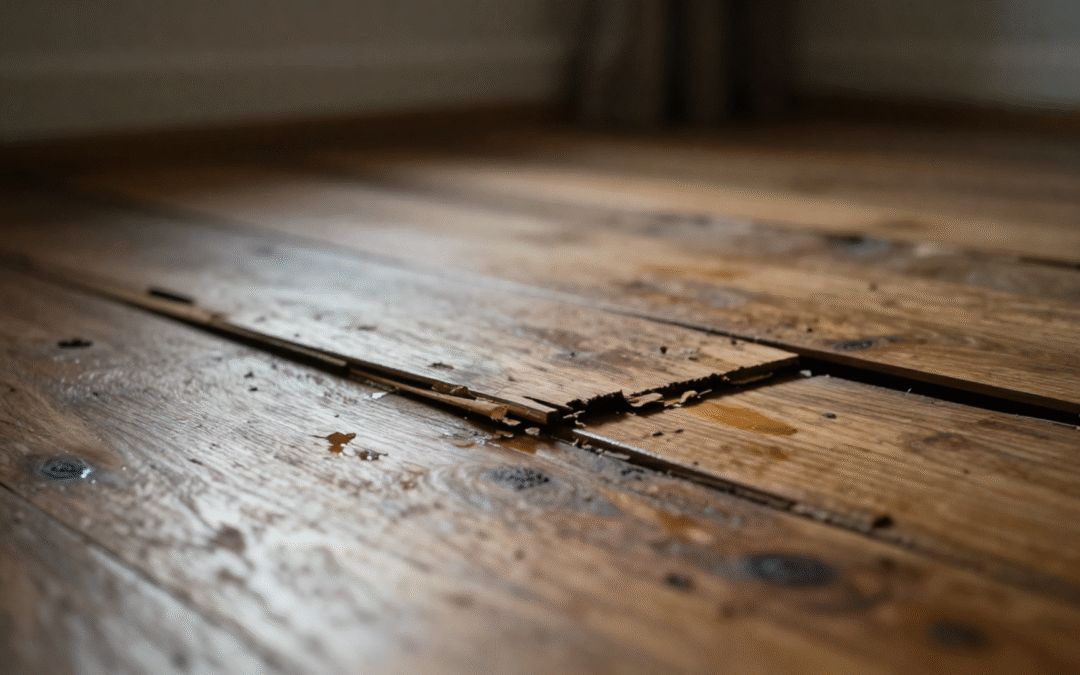
Flooring is one of the biggest investments in any home or commercial property. Whether you have hardwood, laminate, vinyl, or engineered flooring, you expect it to stay beautiful and durable for years. However, one hidden issue can quietly damage your floors over time: humidity.
Many property owners don’t realize how significantly indoor humidity can affect flooring materials. Floors naturally expand and contract as humidity levels change, and excessive moisture can eventually lead to visible damage, costly repairs, and even complete flooring failure.
The good news is that your flooring usually gives warning signs before the damage becomes severe. Recognizing these early signs can help you take action before the problem gets worse.
How Humidity Affects Different Flooring Materials
Humidity impacts flooring in different ways depending on the material, often causing expansion, warping, or moisture buildup that leads to visible damage over time.
Hardwood Flooring
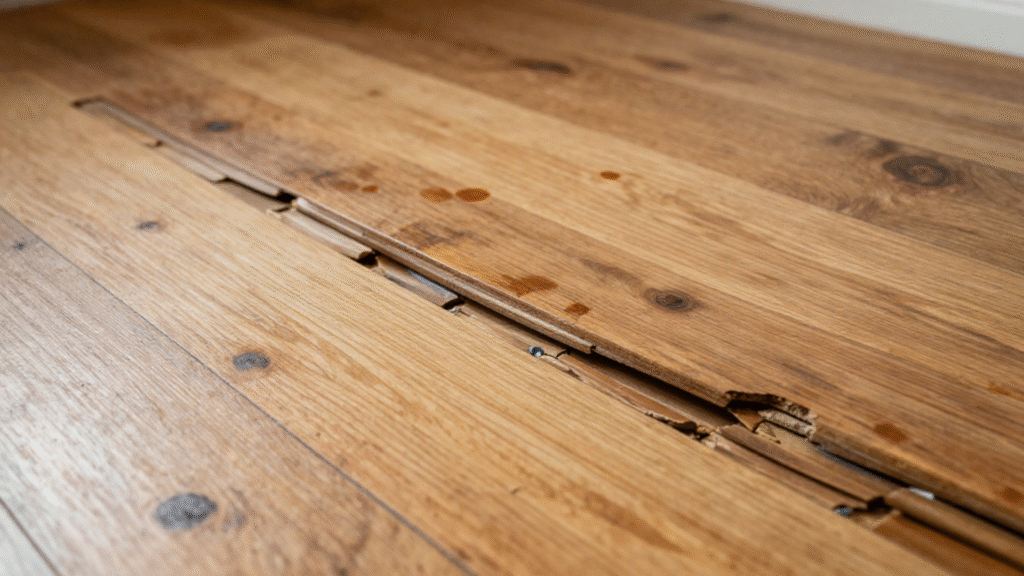
Humidity and hardwood floors are closely connected, as maintaining a stable indoor humidity level helps prevent expansion, contraction, and long-term structural changes in wood flooring. Excess moisture or overly dry conditions can lead to visible damage over time.
Common hardwood flooring signs include:
- Gaps between boards during dry periods
- Raised edges or cupping caused by moisture exposure
- Surface cracks from excessive dryness
- Minor buckling or lifting in severe humidity conditions
- Squeaking or movement underfoot
Many homeowners first notice seasonal gaps during colder months when indoor air becomes drier. On the other hand, excessive humidity can force hardwood planks to swell and press against each other, leading to cupping or lifting.
If these issues continue worsening instead of improving seasonally, it may indicate a larger moisture imbalance within the home.
Tip: Always consider airflow and room ventilation along with material choice when selecting the best flooring for high-humidity areas, as ventilation reduces moisture buildup.
Laminate Flooring
Laminate flooring can react quickly to excess moisture, especially when humidity levels remain high for long periods. Although the surface may appear durable, moisture often affects the inner core material first.
Common laminate flooring signs include:
- Swollen seams or plank edges
- Peeling or bubbling of the top wear layer
- Soft or spongy spots underfoot
- Warping near doors, kitchens, or damp areas
- Separation between planks
Unlike hardwood flooring, laminate flooring usually cannot be refinished once swelling occurs. Moisture-damaged laminate often continues deteriorating if humidity problems remain unresolved.
Homeowners commonly notice these issues in basements, entryways, laundry rooms, or areas near exterior doors where moisture exposure is more frequent.
Vinyl Flooring
Vinyl flooring handles moisture better than many flooring materials, but humidity problems can still affect installation performance and subfloor conditions.
Common vinyl flooring signs include:
- Lifting corners or curling edges
- Surface bubbling or rippling
- Loose planks or shifting sections
- Adhesive failure in glue-down installations
- Uneven areas caused by trapped moisture underneath
In many cases, the vinyl itself is not the main problem. Instead, excessive moisture may be developing underneath the flooring system or within the subfloor.
If bubbling or lifting appears shortly after installation, improper acclimation or elevated subfloor moisture may be contributing factors.
Carpet Flooring
Carpets can absorb moisture from humid indoor environments, especially in poorly ventilated areas or rooms with hidden moisture problems.
Common signs include:
- Persistent musty odors
- Carpet ripples or wrinkles
- Damp feeling beneath the carpet
- Mold or mildew growth underneath the padding
- Increased allergy or respiratory irritation indoors
Carpet moisture problems often go unnoticed because the visible surface may still appear clean and dry. However, trapped humidity beneath the carpet padding can create ideal conditions for mold and mildew growth.
This is especially common in basements, humid climates, or homes with poor airflow.
In some cases, unresolved humidity problems may even affect flooring warranties or create disputes regarding installation responsibility.
Addressing the issue early is usually far less expensive than waiting until the flooring system fails.
Other Signs Your Home May Have a Humidity Problem
Flooring damage is often just one sign of a bigger moisture problem in the home. Many houses with humidity-related flooring issues also show other warning signs in different areas.
You may also notice:
- Condensation forming on windows
- Musty indoor smells
- Peeling paint or wallpaper
- Warped trim or baseboards
- Excess indoor dampness
- Higher allergy symptoms indoors
When several of these issues appear together, professional moisture evaluation may be necessary to identify the source of the problem.
Related Articles:
Signs of Subfloor Damage Every Homeowner Should Know
How to Find a Floor Inspector You Can Trust
Common Installation Mistakes in Laminate Flooring
How to Help Protect Your Flooring From Humidity Damage
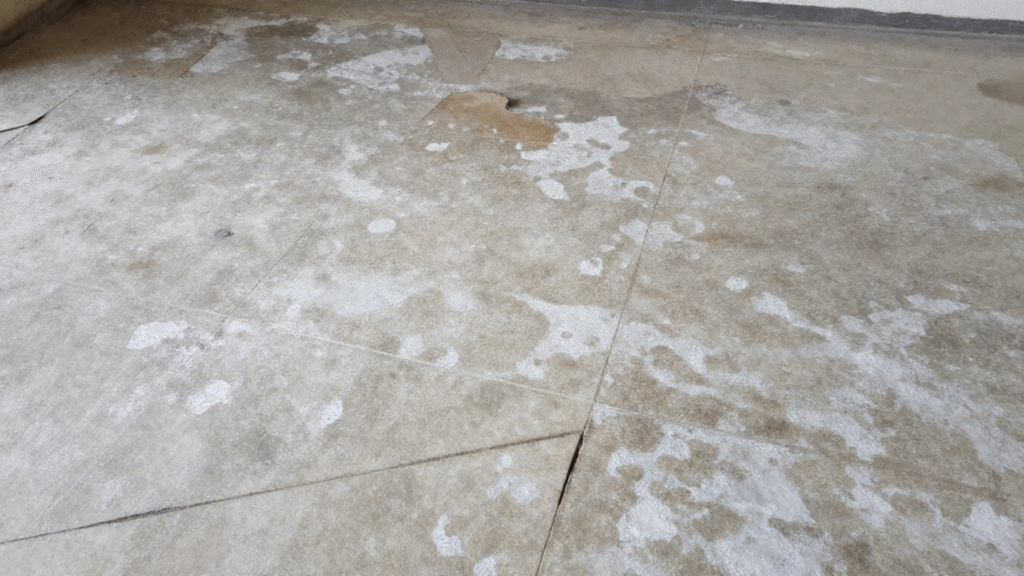
Controlling indoor moisture levels can help reduce the risk of humidity-related flooring problems and extend the life of your flooring materials.
- Maintain Stable Indoor Humidity Levels: Large fluctuations in indoor humidity can cause flooring materials to expand and contract repeatedly over time. Keeping humidity levels consistent throughout the year can help minimize flooring movement.
- Use Dehumidifiers in Humid Areas: Basements, crawl spaces, and other moisture-prone areas may benefit from dehumidifiers, especially during humid seasons. Reducing excess moisture in the air can help protect flooring and subfloors.
- Improve Ventilation: Poor airflow can trap moisture inside the property. Proper ventilation in kitchens, bathrooms, laundry rooms, and crawl spaces can help reduce indoor humidity buildup.
- Address Water Leaks Quickly: Plumbing leaks, roof leaks, and appliance leaks can introduce excess moisture into flooring systems. Prompt repairs can help prevent long-term damage.
- Clean Spills Immediately: Standing water or spills left on flooring surfaces for extended periods can eventually penetrate seams or edges, especially in hardwood and laminate flooring.
- Monitor Moisture-Prone Areas: Areas near exterior doors, windows, basements, and concrete slabs may be more vulnerable to moisture issues. Regular monitoring can help identify problems early.
- Schedule Professional Flooring Inspections: If flooring begins showing signs of warping, cupping, gaps, or moisture-related changes, professional inspections can help determine the source of the problem before the damage becomes more extensive.
Why Professional Flooring Inspections Are Important
Humidity-related flooring damage is not always easy to diagnose. Moisture problems can originate from subfloors, crawl spaces, concrete slabs, HVAC systems, installation issues, or environmental conditions inside the property.
At Floorcovering Solutions Inc., we provide professional flooring inspection, expert witness, and consulting services for residential and commercial flooring concerns. With more than 49 years of experience in floor failures, moisture-related damage, and installation issues, Henri Carr helps property owners identify the causes of flooring failures and determine appropriate next steps for repair or replacement.
Professional inspections can be especially valuable when flooring damage appears unexpectedly or continues worsening over time. For expert help identifying the causes of flooring damage, contact Floorcovering Solutions Inc.