
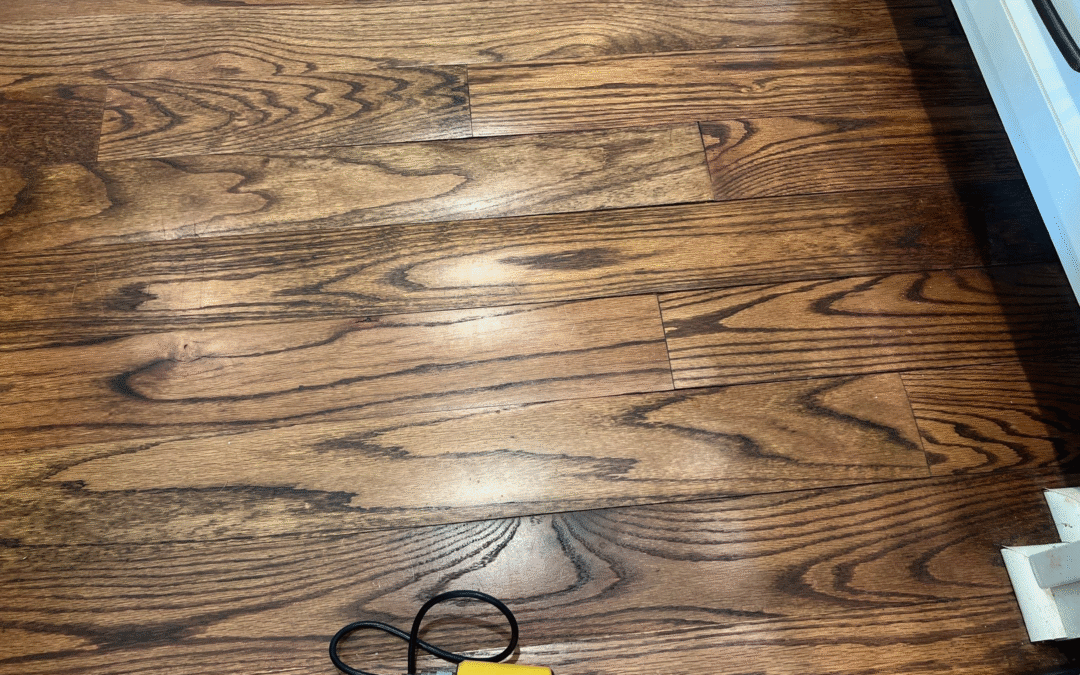
Have you noticed your hardwood floor looking uneven, but aren’t sure what’s causing it? Maybe the edges of the boards seem raised, or perhaps the centers appear higher than the sides. These changes can be concerning, especially if your flooring was installed only a few years ago.
Two of the most common moisture-related problems in hardwood flooring are cupping and crowning. Although they may look similar at first glance, they develop for different reasons and should never be treated the same way. Misidentifying the problem can lead to unnecessary repairs, wasted money, and even permanent damage to the floor.
Understanding the differences between cupping and crowning can help homeowners recognize the warning signs and know when professional evaluation is needed.
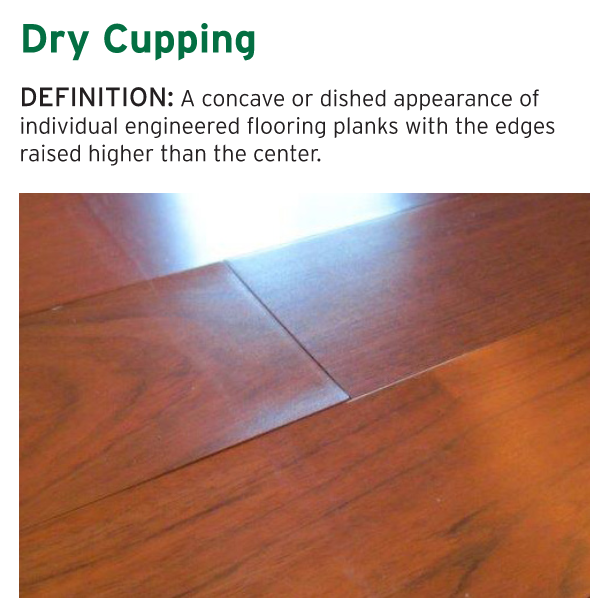
What Is Cupping in Hardwood Floors?
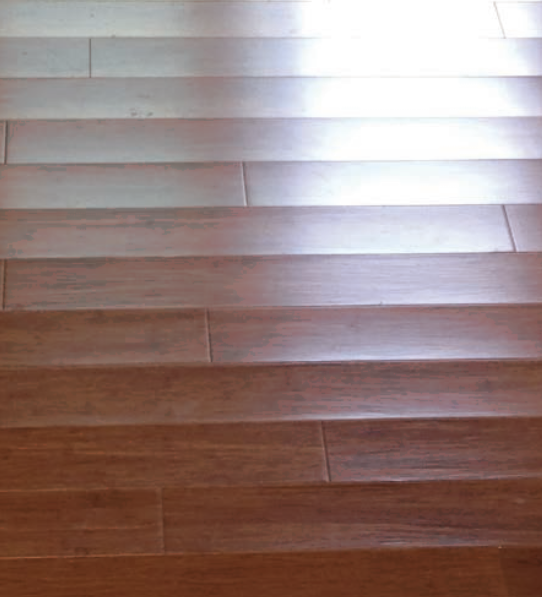
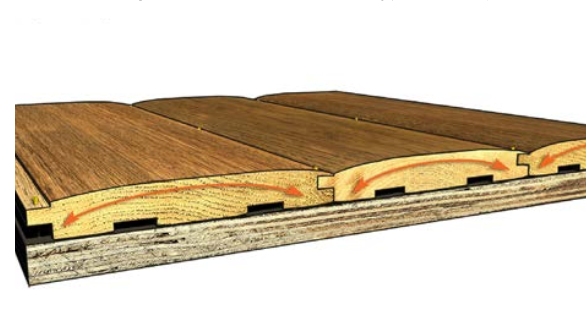
Cupping occurs when the edges of a hardwood plank rise higher than the center, creating a shallow “U-shaped” appearance. When you run your hand across the surface, the edges may feel raised while the middle feels slightly lower.
This condition develops when one side of the flooring absorbs more moisture than the other, causing uneven expansion across the plank. As the wood expands unevenly, the board changes shape across its width.
What causes hardwood floors to cup?
Cupping can result from:
- Moisture coming from below the flooring
- Damp crawl spaces or concrete slabs
- Plumbing leaks beneath the floor
- Poor moisture protection during installation
- Improper acclimation before installation
- Long-term humidity changes
Before repairing a cupped floor, the moisture source should always be identified and corrected.
For a complete overview of what to inspect, common warning signs, and areas of concern, read our Hardwood Floor Inspection Checklist for Homeowners.
What Is Crowning in Hardwood Flooring?
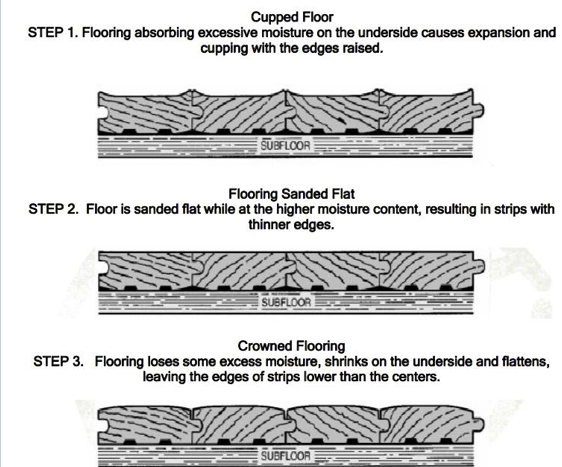
Hardwood floor crowning is the opposite of cupping. It occurs when the center of a hardwood plank rises higher than the edges, creating a rounded or dome-shaped profile.
This condition often develops after moisture affects the surface of the flooring or when a previous moisture-related problem is repaired incorrectly.
Common Causes of Crowning
Crowning may occur because of:
- Water exposure from spills, leaks, or flooding
- Excessive surface moisture
- Improper cleaning practices
- Sanding a cupped floor before it has fully dried
- Incorrect moisture correction after damage
A floor that was previously cupped may develop crowning if repairs are performed before the flooring has stabilized.
Cupping vs. Crowning: What’s the Difference?
Cupping and crowning affect hardwood floors differently. Compare their board shape, moisture concerns, and identifying features to understand how these two problems vary.
| Aspect | Cupping | Crowning |
| Board Shape | Edges are higher than the center | The center is higher than the edges |
| Appearance | Concave or bowl-like profile | Convex or rounded profile |
| Typical Moisture Concern | Moisture is affecting the underside of the flooring | Moisture affecting the surface or previous repair issues |
| Main Identification Clue | Raised edges along the plank | Raised center of the plank |
While the shape of the boards provides important clues, it does not always explain why the problem occurred.
Related Articles:
How Much Does a Floor Inspection Cost?
How to Find a Floor Inspector You Can Trust
How Seasonal Changes Affect Hardwood Flooring
How to Identify the Problem
Before making repairs, examine the flooring shape, feel the surface, check for moisture signs, and consider the floor’s history to identify the problem accurately.
1. Examine the Shape of the Boards
The easiest way to identify the difference is by looking at the profile of the planks.
- Cupping: The edges of the board are higher than the center, creating a slight depression.
- Crowning: The center of the board rises above the edges, creating an arch-like appearance.
Viewing the floor from a low angle with natural lighting can make these changes easier to notice.
2. Feel the Surface
Running your hand across the flooring can reveal changes that may not be obvious visually.
If your hand catches on raised edges, the floor may be cupped. If the middle of the plank feels elevated, crowning may be present.
3. Look for Moisture Clues
Since both problems involve moisture changes, check the surrounding area for signs that may explain the cause, including:
- Water stains
- Damp areas near walls or baseboards
- Plumbing leaks
- High humidity
- Moisture around crawl spaces or basements
Finding the source of the moisture is often more important than simply identifying the visible shape.
Moisture causes many flooring failures. Learn why moisture testing is essential for detecting hidden issues and making informed decisions.
4. Consider the Floor’s History
The timing of the problem can provide valuable information.
A recently installed floor may point to issues such as improper acclimation, installation conditions, or moisture protection. A floor that has performed well for years may be affected by leaks, environmental changes, or maintenance factors.
5. Avoid Making Repairs Based Only on Appearance
A hardwood floor’s current appearance does not always tell the full story. A crowned floor may have originally been cupped, or multiple moisture sources may have created similar symptoms.
Proper testing and evaluation are important before sanding, replacing boards, or making repairs.
When Should You Schedule a Professional Hardwood Flooring Inspection?
Many homeowners notice uneven hardwood boards and immediately begin searching for repair solutions. However, the most important question is not always “How do I fix this?” but rather “Why did this happen?”
A professional hardwood flooring inspection is recommended when:
- The cause of the damage is unclear
- The flooring continues to change over time
- Multiple areas or rooms are affected
- Water damage or moisture exposure has occurred
- There is a disagreement about responsibility between the parties
- Insurance documentation is required
- Installation quality or workmanship is being questioned
A flooring inspector looks beyond the visible damage to identify the underlying cause of the problem. The goal is to determine whether the issue is related to moisture conditions, installation practices, maintenance factors, or other environmental influences.
At Floorcovering Solutions Inc., our independent hardwood flooring inspections help identify the factors contributing to flooring failures. Backed by decades of industry experience, Henri Carr provides objective evaluations that help clients understand what happened, why it happened, and what steps should be taken next.
Schedule your hardwood flooring inspection with Floorcovering Solutions Inc. to identify the cause of the problem and make informed repair decisions.